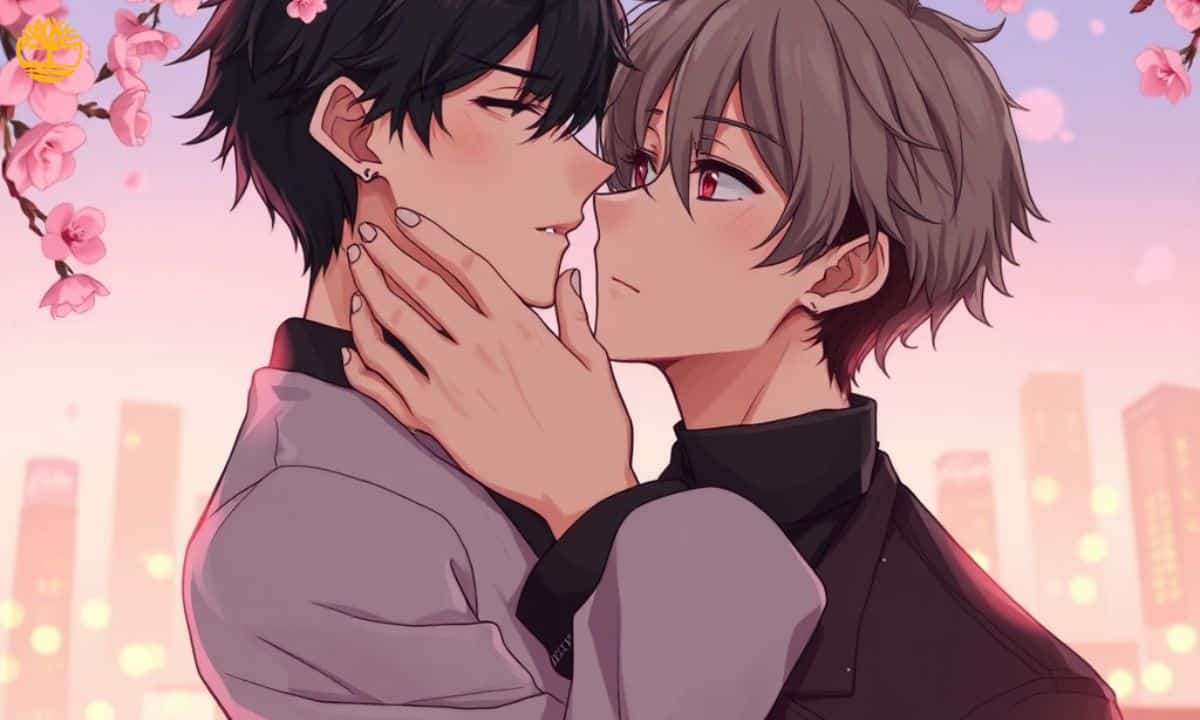
Have you ever stumbled across the word yaoi while exploring anime or manga communities and wondered what all the buzz is about? This term sparks curiosity, passion, and even debate among fans worldwide. With its deep roots in Japanese culture and global fandoms, it has grown into something much larger than just a genre.
From passionate fan discussions to academic studies, yaoi has carved out a space that blends creativity, emotion, and cultural influence. Whether you’re a newcomer or a longtime fan, understanding its layers helps you appreciate not only the stories but also the community behind them.
What Does Yaoi Mean?
Yaoi is a fascinating genre in Japanese media that focuses on male–male romance. It has spread far beyond Japan, reaching global audiences. Understanding it requires looking at its definition, themes, and community.
Basic Definition of Yaoi in Anime and Manga
At its core, yaoi refers to stories in anime and manga that feature romantic or sexual relationships between male characters. These works often blend drama, passion, and emotional storytelling. While some focus on lighthearted romance, others may include explicit scenes.
Unlike mainstream romance, yaoi is usually created with a unique audience in mind. Many of the stories are written by women and primarily targeted toward a female readership. Over time, this niche evolved into a worldwide phenomenon with both male and female fans.
| Aspect | Details |
| Primary Definition | Yaoi is a genre of fictional media originating in Japan, focusing on romantic or sexual relationships between male characters. The term is an acronym derived from the Japanese phrase “Yama nashi, ochi nashi, imi nashi” (no climax, no resolution, no meaning), originally used to describe amateur manga with male-male romantic themes. |
| Alternate Terms | – Boys’ Love (BL): A broader term encompassing yaoi, often used interchangeably but sometimes distinguished as having more focus on emotional romance rather than explicit content.- Shonen-ai: An older term for male-male romance stories with less explicit content, focusing on emotional connections rather than physical intimacy. |
| Cultural Origin | – Emerged in Japan in the 1970s within dōjinshi (fan-made manga) communities.- Initially created by female fans (fujoshi) for female audiences, exploring idealized male relationships.- Rooted in the Japanese manga and anime subculture, particularly in fan fiction circles. |
| Content Characteristics | – Ranges from light romantic stories to explicit sexual content.- Often emphasizes emotional bonds, forbidden love, or dramatic tension between characters.- May include tropes like “seme” (dominant partner) and “uke” (submissive partner) to define relationship dynamics.- Can be found in manga, anime, novels, and games. |
| Target Audience | – Primarily aimed at female readers, though it has a diverse global fanbase.- Appeals to “fujoshi” (female fans of yaoi/BL) and increasingly to male and non-binary audiences.- Popular in both Japan and internationally, especially in East Asia, North America, and Europe. |
| Cultural Significance | – Provides a space for exploring themes like love, identity, and societal taboos in a fictional context.- Often critiques or subverts traditional gender roles and heteronormative expectations.- Has influenced global fandom culture, with conventions and online communities dedicated to yaoi/BL. |
| Related Genres | – Yuri: Focuses on female-female romantic relationships.- Bara: Male-male romance or erotica aimed at gay male audiences, often with more masculine character designs.- Slash Fiction: A Western equivalent, where fans create male-male romantic stories based on existing media characters (e.g., TV shows, movies). |
| Global Impact | – Yaoi has a significant international following, with translations and adaptations in multiple languages.- Popularized through scanlation (fan-translated manga) and streaming platforms.- Influences Western media, with BL-inspired content appearing in webcomics and novels. |
| Controversies | – Criticized for sometimes romanticizing unhealthy relationships or non-consensual scenarios.- Debates over representation, as yaoi is often created by and for non-gay audiences, which can lead to stereotyping or fetishization.- Age-appropriate content concerns due to explicit material in some works. |
| Modern Usage | – The term “yaoi” is sometimes used broadly to describe any male-male romantic content, though “Boys’ Love” is preferred in professional publications.- Available in mainstream media, with dedicated publishing labels (e.g., SuBLime, June Manga) and online platforms like Lezhin Comics or Tapas. |
Key Themes and Characteristics of Yaoi
Yaoi explores themes of love, desire, and emotional intensity between male characters. Some stories emphasize tenderness and vulnerability, while others highlight dramatic power struggles. This variety keeps the genre dynamic and engaging.
Common characteristics include:
- Romantic tension and emotional depth
- Power dynamics between characters
- Fantasy-driven plots not limited by realism
- Artistic expression through detailed illustrations
Together, these elements make yaoi distinct from other romance genres, appealing to fans who enjoy strong emotional storytelling and character-driven drama.
Who Creates and Consumes Yaoi?
Most yaoi works are created by female manga artists, often drawing from personal imagination and cultural influences. This creative lens shapes the way relationships are portrayed, blending fantasy with emotional intensity.
The audience, while mostly female, is diverse and international. Many male fans and LGBTQ+ readers also engage with yaoi, finding representation or simply enjoying the narratives. Today, the genre thrives across manga, anime, doujinshi, and even webcomics.
The Origins and History of Yaoi
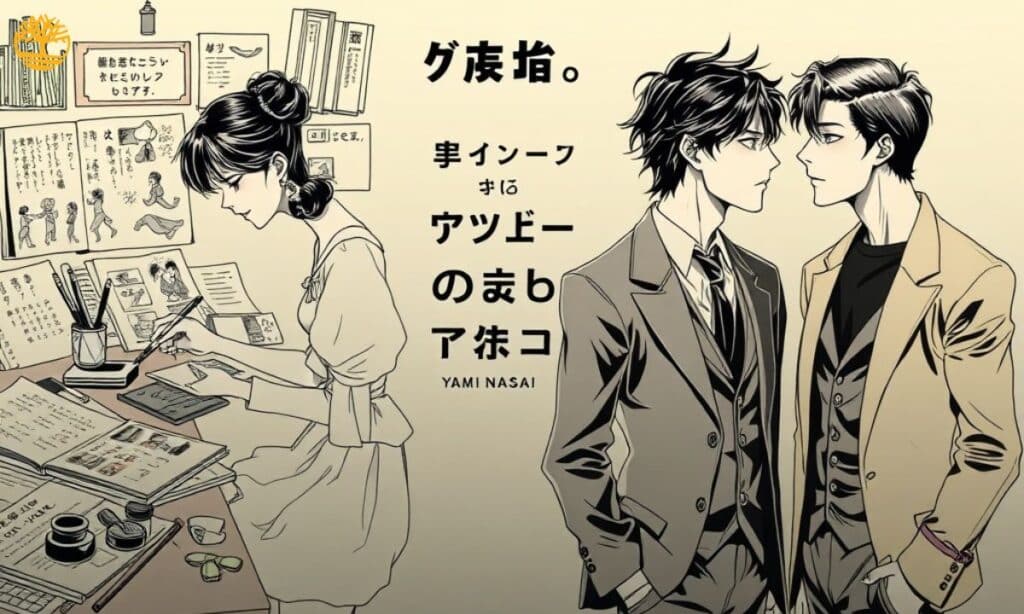
The story of yaoi’s beginnings goes back to the late 1970s. From small experiments in manga magazines to becoming a global cultural trend, its history shows how a niche art form grew into an influential genre.
The Year 24 Group and the Birth of Yaoi
A group of pioneering female manga artists, known as the Year 24 Group, played a central role in shaping yaoi. Artists like Hatsu Akiko and Sakata Yasuko were among the first to experiment with male–male romance in manga.
Their work challenged traditional norms and gave rise to new creative freedoms. By portraying emotional and romantic bonds between men, they opened a path for yaoi to evolve as a distinct genre that spoke to female readers and beyond.
Etymology of the Term “Yaoi” (Yama Nashi, Ochi Nashi, Imi Nashi)
The term “yaoi” is an acronym formed from the phrase yama nashi, ochi nashi, imi nashi—translated as “no climax, no punch line, no meaning.” This phrase described early fan works that prioritized passion over plot.
While it began as a playful label, the word yaoi eventually became widely recognized. Over time, it expanded from small fan circles into mainstream awareness, carrying both its original humor and its association with male–male romance.
From Shōnen-ai to Yaoi: Evolution of Male–Male Romance in Manga
Before yaoi, there was shōnen-ai, which focused on softer romantic themes between boys without explicit content. Shōnen-ai leaned heavily on emotional and poetic storytelling, often with a melancholic tone.
As yaoi developed, it added stronger dramatic elements and, in many cases, explicit romance. This evolution marked a shift from innocent affection to more mature narratives, solidifying yaoi’s place as a bold and transformative genre within manga culture.
Yaoi vs. BL (Boys’ Love)

Many people use yaoi and BL interchangeably, but they carry different nuances. Understanding their similarities and differences helps you choose the right word for the right context.
Similarities Between Yaoi and BL
Both yaoi and BL focus on male–male romance in anime and manga. They share overlapping themes such as emotional drama, character tension, and passionate storytelling. Fans of one usually enjoy the other because of this common ground.
They also attract similar audiences. Both genres are largely created by women and read by female fans, though LGBTQ+ readers also take part. Whether you say BL or yaoi, the heart of the genre lies in exploring relationships between men.
Shared traits include:
- Romantic tension as the driving force
- Female creators and audiences
- Character-driven narratives
- Wide appeal in fandom spaces
Key Differences in Tone, Style, and Audience
While they share a base, BL is broader and more neutral, covering a wide range of romantic tones from sweet to serious. In contrast, yaoi is often associated with explicit or more dramatic content.
BL is also the industry-preferred term, commonly used in publishing, marketing, and academic spaces. Yaoi, however, carries a nostalgic, fan-driven style. This difference shows how tone and audience expectations shift between the two.
Here’s a quick comparison:
| Feature | Yaoi | BL (Boys’ Love) |
| Tone | Often erotic or dramatic | Broad, from sweet to serious |
| Usage | Fandom and casual spaces | Professional and academic use |
| Audience | Mostly female, niche fans | Broader, mainstream fans |
| Origins | Fan culture, doujinshi | Publisher-supported term |
When to Use “Yaoi” vs. “BL” in Writing
Use “yaoi” in casual or fan-friendly spaces, where the audience is familiar with fandom slang. It works well in blogs, forums, and informal reviews.
For professional or academic contexts, choose “BL” instead. It’s more neutral, respectful, and widely recognized. In inclusivity-focused settings, you might also use phrases like “male–male romance” or “queer romance.”
Cultural Context of Yaoi
Yaoi is not just about manga panels or anime series. It carries cultural weight both in Japan and internationally, shaping fandom communities, publishing industries, and social discussions.
Yaoi in Japanese Society and Media
In Japan, yaoi began as a subculture within manga magazines and doujinshi circles. Over time, it entered mainstream media, influencing television dramas, novels, and even stage plays.
Although widely popular, yaoi also sparks debate. Some see it as a creative space for women, while others critique its portrayal of LGBTQ+ themes. This duality makes it a complex yet important part of Japanese pop culture.
International Popularity and Global Fandom
By the 1990s, yaoi had spread to the global anime fandom, gaining traction in Europe, North America, and beyond. Fan translations and online communities made the genre accessible to international audiences.
Today, conventions, fan art, and online platforms keep the global BL/yaoi fandom thriving. Many fans connect across cultures, building communities that celebrate love stories between male characters.
Doujinshi, Fan Culture, and Community Influence
Doujinshi, or self-published manga, is central to the yaoi community. Fans create stories pairing favorite characters in ways that official works may not explore. This keeps the genre innovative and community-driven.
The fan culture surrounding yaoi extends to cosplay, fan fiction, and online forums. These communities allow fans to share, debate, and celebrate the genre together, giving yaoi a unique cultural footprint beyond the page or screen.
Related Terms and Comparisons

Yaoi does not exist in isolation. It is often compared with other related genres and terms, each carrying its own cultural meaning and audience.
Shōnen-ai vs. Yaoi: Soft Romance vs. Explicit Content
Shōnen-ai focuses on gentle and romantic relationships between boys. These stories highlight emotional bonds, often without explicit content or graphic detail. They lean toward innocence and sentimentality.
By contrast, yaoi usually includes mature themes and sometimes explicit scenes. The difference lies in tone—one emphasizes sweetness, while the other leans on passion. Both, however, explore relationships that captivate fans.
Quick Comparison:
- Shōnen-ai → Soft, emotional romance
- Yaoi → Mature, sometimes explicit
- Audience overlap but tone differs
- Cultural use: shōnen-ai is less common today
Bara: Male–Male Romance for a Gay Male Audience
Bara is distinct from yaoi because it is created by and for gay men. The characters often appear more masculine, and the stories reflect authentic LGBTQ+ male experiences.
While yaoi is shaped largely by women for women, bara represents a different voice in manga. Its tone is more grounded in reality, contrasting with the fantasy-driven style of yaoi.
Bara vs. Yaoi:
| Feature | Bara | Yaoi |
| Creators | Gay men | Mostly women |
| Audience | Gay male readers | Female and mixed readers |
| Style | Realistic, masculine figures | Varied, often stylized |
| Themes | LGBTQ+ lived experiences | Fantasy and emotional drama |
Yuri (Girls’ Love): The Female Counterpart to Yaoi
Yuri, also called Girls’ Love (GL), depicts romantic or sexual relationships between women. Like yaoi, it has a spectrum from sweet romance to explicit themes.
It serves as the female-centered counterpart, appealing to diverse audiences worldwide. In Japan, the word yuri literally means “lily,” symbolizing purity and femininity.
Modern Usage and Alternatives
Choosing the right term depends on the context. Writers, fans, and professionals often use alternative phrases that fit the tone and audience better.
Polite and Professional Terms to Use Instead of Yaoi
In academic or industry contexts, “Boys’ Love (BL)” is the safest choice. It avoids slang and presents the genre in a neutral way. Terms like “male–male romance” or “Japanese BL genre” are also appropriate.
These phrases are professional, clear, and respectful. They allow discussion of the genre without confusion or casual undertones, making them ideal for scholarly or formal writing.
Professional alternatives include:
- Boys’ Love (BL)
- Male–male romance
- Romantic LGBT+ fiction (male pairing)
- Japanese BL genre
Casual and Fan-Friendly Expressions
In fan spaces, “yaoi” remains common. It’s understood by enthusiasts and used widely in forums, social media, and conventions. Casual readers often prefer shorthand over academic terms.
Fans may also say “male couples in anime” or use nicknames for favorite pairings. The tone is playful and flexible, reflecting the community-driven nature of fandom culture.
LGBTQ+ Inclusive and Respectful Alternatives
Modern conversations often lean toward inclusive language. Phrases like “queer romance” or “male LGBTQ+ relationships in manga” are respectful and welcoming.
This avoids stereotypes and emphasizes representation. Using inclusive terms makes discussions accessible to both fans and those outside the anime community.
Hiatus in the Yaoi Fandom
The term hiatus often appears in fan discussions. It usually refers to pauses in publishing, updates, or fan activity within the yaoi community.
What “Hiatus” Means in Anime and Manga Communities
A hiatus means a break or temporary stop in production. This could be due to author rest, scheduling issues, or creative delays. Fans often wait months—or even years—for updates.
In fandom terms, hiatus also describes pauses in online discussions or content-sharing. It signals a temporary quietness rather than a complete end.
Examples of Hiatus in Yaoi Series and Fan Discussions
Many yaoi and BL manga series have experienced long breaks between volumes. Fans eagerly await the continuation, often discussing theories in the meantime.
Hiatus is also common in doujinshi cycles. After conventions, fans may note a lull in new releases or fan activity. These pauses shape the rhythm of the community.
Popular Yaoi Anime and Manga Examples
Certain titles have become iconic, while others represent modern takes on BL and yaoi. Together, they show the genre’s variety and cultural reach.
Classic and Iconic Yaoi Titles
Older works like Junjo Romantica and Sekaiichi Hatsukoi are considered genre-defining. They shaped how fans understood romance between male characters.
These classics are still referenced today, making them essential for anyone exploring the history of yaoi. Their popularity helped expand the BL market internationally.
Modern BL Anime with Yaoi Elements
Recent series like Given and Yuri!!! on Ice brought BL into mainstream anime fandom. They balance romance, drama, and emotional depth, often with less explicit focus.
These shows gained global recognition, introducing BL elements to wider audiences. Their success highlights how far the genre has come since its early days.
Fan-Favorite Doujinshi and Adaptations
Doujinshi remain a creative outlet for fans. Popular pairings from mainstream anime often inspire unofficial yaoi works. These fan-made stories keep the genre alive and experimental.
Some doujinshi even inspire full adaptations, proving the influence of grassroots fandom. They show how yaoi thrives beyond the boundaries of official publishing.
How to Talk About Yaoi in Different Contexts
The words you choose matter. Speaking about yaoi shifts depending on whether you’re writing formally, blogging, or aiming for inclusivity.
Academic and Professional Writing
In professional settings, clarity and neutrality are key. Use terms like BL, male–male romance, or Japanese BL genre. This shows respect for academic and cultural accuracy.
Researchers often focus on themes, audience reception, and cultural impact. Using the correct terminology makes analysis more credible and professional.
Blog Posts and Casual Fan Conversations
Blogs and fandom chats often welcome the term yaoi. It feels natural in spaces where fans already share knowledge. Casual phrases and playful language are expected.
Writers can mix fan terms with personal insights, making content more relatable. This balance creates connection without needing formal phrasing.
Inclusive and Neutral Phrasing for General Audiences
For wider audiences, inclusive wording like queer romance in anime works best. It is easy to understand and avoids jargon. Neutral phrasing ensures accessibility.
This makes yaoi approachable to readers who are not part of anime culture. By choosing inclusive terms, you welcome both fans and newcomers into the conversation.
Conclusion
Yaoi is more than just a genre; it is a cultural expression with deep roots in anime, manga, and global fan communities. By recognizing its history and context, readers and writers can engage with it in a more meaningful and accurate way. Respectful language ensures that the genre is appreciated without reinforcing stereotypes.
At the same time, the words we choose matter depending on the audience. Whether speaking casually with fans or writing in a professional setting, using inclusive and thoughtful terms shows awareness. In doing so, we honor both the creators and the communities that keep yaoi alive and evolving.

Muhammad Shoaib is a seasoned content creator with 10 years of experience specializing in Meaning and Caption blogs. He is the driving force behind ExactWordMeaning.com, where he shares insightful, clear, and engaging explanations of words, phrases, and captions.