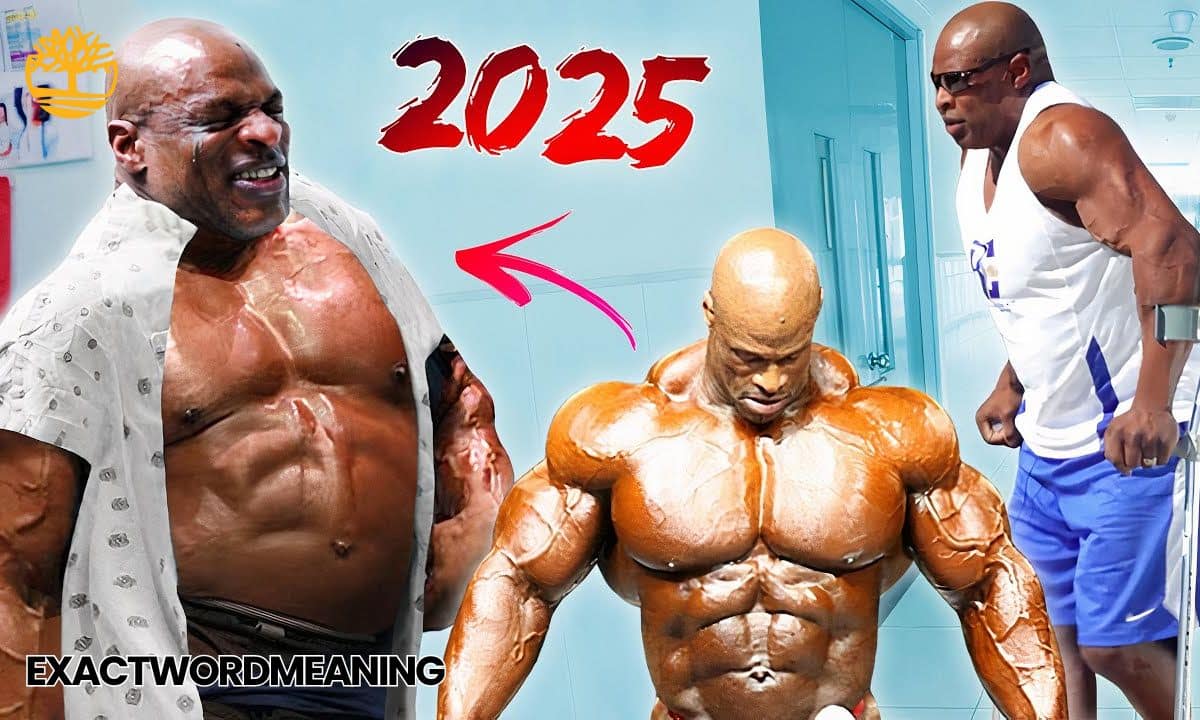
Ronnie Coleman, the 8-time Mr. Olympia, has faced a career full of strength, glory, and injuries. From breaking world records in the gym to inspiring millions, his journey is legendary. But behind the fame, his body has paid a heavy price.
Over the years, Coleman endured multiple surgeries, extreme back and hip injuries, and recently a life-threatening blood infection. Despite these challenges, he remains positive and inspiring, showing the world that resilience goes beyond muscles. His story is one of pain, perseverance, and ultimate dedication to bodybuilding.
Ronnie Coleman Injury
Early Back Injuries: Ronnie Coleman suffered his first major back injury at 17 while squatting 500 pounds. He felt a sharp crack in his lower back and a burning sensation that lasted for weeks. This early injury set the stage for decades of pain and recurring spinal problems.
Chronic Pain from Football: During college football, Ronnie played linebacker at Grambling State University. He suffered repeated neck and back injuries, learning to endure constant discomfort. These injuries were aggravated by heavy lifting later, eventually requiring multiple surgeries.
Spinal Damage: Years of extreme training caused several herniated discs and spinal degeneration. Doctors repeatedly warned him that continued heavy lifting could permanently impair mobility. Despite this, he pushed through the pain to pursue his bodybuilding dreams.
Early Life & Football Career
Childhood and Family Values: Born in Monroe, Louisiana in 1964, Ronnie Coleman grew up in a household that valued hard work and discipline. His parents encouraged education and effort, which shaped his focus and determination.
College Football: Coleman walked on to the Grambling State football team, playing as a middle linebacker. His physical strength stood out, but repeated injuries began during this time. Football taught him the value of mental toughness, which later helped in bodybuilding.
Post-College Struggles: After graduating with a degree in accounting, Coleman struggled to find work and worked at Domino’s Pizza. Financial hardship motivated him to train harder, eventually leading him to a career in bodybuilding and law enforcement.
Rise in Bodybuilding
First Competitions: Ronnie started competitive bodybuilding in 1990, winning Mr. Texas in both heavyweight and overall categories. He quickly gained attention for his combination of size and symmetry.
Professional Debut: In 1992, Coleman turned professional, entering the IFBB World Amateur Championships. Early competitions were challenging, with low placements, but he used these experiences to improve his training and refine his physique.
Building Reputation: Between 1994 and 1997, Coleman competed in multiple IFBB events worldwide, steadily improving. His muscular development and conditioning began to stand out, laying the foundation for future Mr. Olympia victories.
Ronnie Coleman Heavy Training
Extreme Squats and Deadlifts: Coleman became known for unbelievable strength, squatting 800 pounds and deadlifting over 800 pounds for reps. These lifts, while legendary, damaged his spine over time.
Training Regimen: He trained twice a day, six days a week, combining free weights with machines. Ronnie’s workouts often pushed him to exhaustion, which contributed to record-breaking size but worsened chronic injuries.
Dedication Despite Pain: Even after herniating a disc in 1997, Coleman continued heavy training while competing professionally. He ignored pain, believing consistency and hard work would maintain his dominance.
Mr. Olympia Dominance
First Victory: Coleman won his first Mr. Olympia in 1998, defeating competitors like Kevin Levrone and Nasser El Sonbaty. Judges praised his back development, V-taper, and posing routine.
Consecutive Wins: From 1998 to 2005, Coleman won eight consecutive Mr. Olympia titles, tying the record with Lee Haney. His conditioning, muscle density, and size made him nearly unbeatable.
Global Recognition: During his reign, Coleman became a bodybuilding icon, appearing in training videos and promotional events. His phrases like “Yeah buddy!” and “Lightweight baby!” became cultural touchstones in fitness communities.
Challenging Competitors: Despite rivals like Jay Cutler and Shawn Ray, Coleman consistently outperformed them. His focus on training intensity and strategic posing gave him a clear edge in competitions.
Record-Breaking Lifts
Legendary Squats: Coleman routinely squatted 600–800 pounds, sometimes for multiple reps. These lifts were featured in workout videos, inspiring millions of fitness enthusiasts.
Deadlift Achievements: His deadlift records included 727 pounds for multiple reps and 800 pounds for singles. These feats, combined with squats, cemented his reputation as the strongest Mr. Olympia ever.
Bench Press and Other Lifts: While primarily known for legs and back, Coleman’s bench press and accessory lifts were also extraordinary. For example, he pressed 495 pounds for five reps, maintaining overall symmetry and power.
| Lift Type | Weight Lifted | Reps | Year | Notes |
| Squat | 800 lbs | 2 | 2003 | For workout video |
| Deadlift | 800 lbs | 2 | 2000 | During training |
| Bench Press | 495 lbs | 5 | 2003 | Accessory lift |
| Front Squat | 495 lbs | 10 | 2006 | Without spotter, pre-retirement |
Training Philosophy: Coleman believed in pushing limits, often ignoring advice to reduce weight. His motto of “pain is temporary, glory is forever” defined his lifting career.
Ronnie Coleman Surgeries

Multiple Spine Surgeries: Ronnie Coleman underwent over nine spinal surgeries since 2007. These surgeries aimed to fix herniated discs and spinal damage caused by years of heavy lifting. Each procedure had limited success. His back pain remained chronic and debilitating.
Hip Replacements: Coleman had double hip replacements in 2014 and again in 2020 due to wear and tear. Both hips were severely damaged from decades of squatting and heavy lifting. Despite surgeries, he still experiences limited mobility and nerve issues.
Neck and Disc Repairs: He also underwent surgeries to repair neck injuries and intervertebral discs. These were attempts to restore strength and reduce pain, but results were mixed. Some surgeries caused further complications, making mobility difficult.
Surgery Complications
Failed Outcomes: Many of Coleman’s procedures were unsuccessful or partially successful. Botched surgeries caused additional nerve damage. Some screws and rods needed replacement, creating further surgical risks.
Long Recovery Periods: After each surgery, Coleman needed months of rehabilitation. Recovery was slow due to nerve impairment, spinal instability, and hip pain. Walking unassisted became increasingly difficult over the years.
Risk of Infection: With multiple surgeries, he faced high risk of infection, scarring, and chronic inflammation. Doctors warned that more operations could reduce life quality, but Coleman pursued treatment to regain independence.
Financial Cost of Surgeries
High Medical Expenses: Coleman spent millions of dollars on surgeries. Each spinal procedure cost $300,000–$500,000. Additional hip replacements and rehab added hundreds of thousands more.
Insurance and Out-of-Pocket Costs: Some surgeries were covered by insurance, but complications often required out-of-pocket payments. Total expenses reportedly reached $2 million over the years.
Impact on Career Earnings: While Coleman earned heavily from bodybuilding, endorsements, and supplements, medical bills dramatically reduced his savings. He continues to invest in recovery treatments.
| Surgery Type | Year | Approx. Cost | Notes |
| Spinal Fusion | 2015 | $350,000 | First major spinal repair |
| Spinal Rod/Screw Fix | 2018 | $450,000 | Multiple rods replaced |
| Hip Replacement | 2014 | $400,000 | Both hips replaced |
| Hip Replacement | 2020 | $420,000 | Both hips replaced again |
Ronnie Coleman Now
Limited Mobility: Today, Coleman relies on crutches or a wheelchair for movement. Nerve damage in his back makes walking painful and difficult. Despite this, he maintains a positive mindset.
Light Training Routine: He still trains regularly, using light weights and resistance machines. His focus is now on maintaining strength and flexibility rather than building mass.
Family Life: Coleman lives with his wife and four daughters in Arlington, Texas. His family provides emotional support and motivation during daily struggles.
Lifestyle & Diet Today
Reduced Calorie Intake: Coleman eats three meals per day instead of six, as during his prime. Protein remains high, but he avoids extreme bulking or cutting cycles.
Focus on Health: Diet includes grilled chicken, eggs, rice, and vegetables. He prioritizes anti-inflammatory foods to manage joint pain and improve recovery.
Exercise Adaptations: He walks daily when possible and incorporates light resistance exercises. Yoga, stretching, and core stability exercises help manage chronic pain.
Sepsis and 2025 Health Crisis
Blood Infection Diagnosis: In July 2025, Coleman developed a severe blood infection detected during a routine checkup. The infection spread rapidly, prompting urgent surgery.
Life-Threatening Risk: Sepsis is highly dangerous and could have been fatal without immediate intervention. Early treatment and close medical supervision were critical for survival.
Family Support: Coleman’s family launched a “Ronnie Strong” campaign to raise awareness of sepsis. Fans and the bodybuilding community offered massive support online.
Recovery Efforts
Medical Treatments: Coleman continues recovery using stem cell therapy, hyperbaric oxygen, and physical therapy. These treatments aim to regenerate tissue and reduce nerve pain.
Mental Resilience: Despite setbacks, he maintains a positive mindset. He often shares motivational messages about perseverance, faith, and determination.
Gradual Progress: Recovery is slow and incremental, but Coleman remains hopeful about regaining mobility and strength over time.
Legacy and Influence
Bodybuilding Icon: Coleman is widely regarded as the greatest Mr. Olympia of all time, tying Lee Haney with eight consecutive wins. His size, conditioning, and strength are legendary.
Training Philosophy: He popularized phrases like “Yeah buddy!” and “Lightweight baby!”. His training videos inspired millions to lift heavier and pursue bodybuilding seriously.
Cultural Impact: Coleman’s story shows that dedication and perseverance can overcome extreme challenges. He continues to influence fitness, sports, and health communities worldwide.
What Fans Say About Ronnie
Supportive Messages: Fans praise his mental toughness and positive attitude despite health challenges. Social media is filled with messages of encouragement and respect.
Inspirational Example: Many followers cite Coleman as motivation to push past personal limits. His journey proves that hard work and discipline extend beyond the gym.
Global Recognition: Athletes, bodybuilders, and fitness enthusiasts recognize him as a living legend, celebrating both his career and resilience through adversity.
Frequently Asked Questions
What caused Ronnie Coleman’s back injuries?
Heavy lifting and decades of intense squats and deadlifts caused his spinal damage.
How many surgeries has Ronnie Coleman had?
Over 13 surgeries on his spine, hips, and neck.
Can Ronnie Coleman walk now?
He can walk short distances with crutches, but longer walking requires a wheelchair.
What is Ronnie Coleman’s current training routine?
Light weights, resistance exercises, stretching, and core stability workouts.
How did Ronnie Coleman survive his sepsis in 2025?
Early detection, urgent surgery, and intensive medical care saved his life.
Conclusion
Ronnie Coleman’s journey shows that strength is more than muscle. Despite countless surgeries and life-threatening infections, he continues to inspire fans worldwide. His resilience and dedication to training remain unmatched. Coleman’s story proves that perseverance defines true greatness.

Muhammad Shoaib is a seasoned content creator with 10 years of experience specializing in Meaning and Caption blogs. He is the driving force behind ExactWordMeaning.com, where he shares insightful, clear, and engaging explanations of words, phrases, and captions.