There’s something magical about the word “Habibi” — it carries warmth, charm, and a touch of soul. From songs to sweet whispers, it’s a word that instantly feels intimate and universal. Whether spoken softly or playfully, “Habibi” connects hearts across cultures with its timeless affection.
What Does “Habibi” Mean in Arabic?
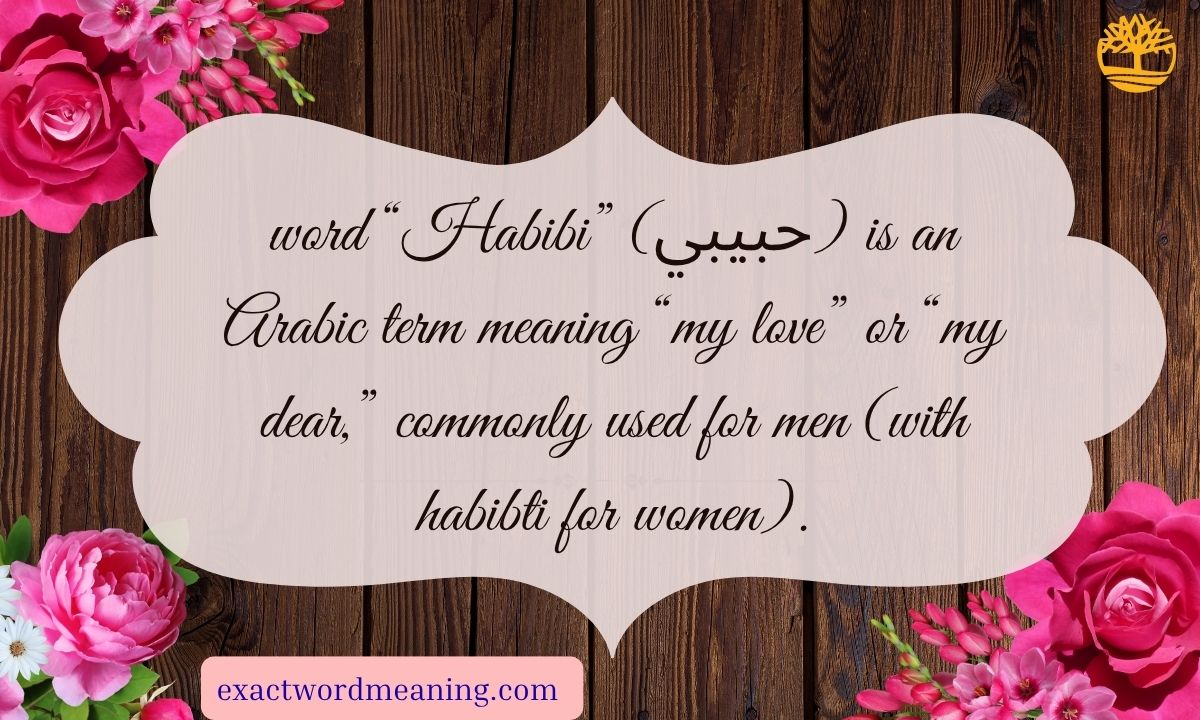
The word “Habibi” (حبيبي) is one of the most beloved expressions in the Arabic language. It comes from the root word “hubb,” which means love, and directly translates to “my love” or “my dear.” It’s a tender word that goes beyond romance — expressing closeness, warmth, and emotional connection.
In Arabic-speaking cultures, “Habibi” is more than just a name of affection; it’s a reflection of deep care and respect. You can say it to your partner, a family member, or a close friend to show they hold a special place in your heart. Its sound itself feels soft, kind, and inviting — ha-bee-bee — almost like a melody of love.
The beauty of “Habibi” lies in how universal it feels despite its cultural roots. While it’s Arabic in origin, people across the world use it in songs, conversations, and online to show affection. It bridges language barriers and spreads positivity wherever it’s spoken.
“When someone calls you Habibi, they aren’t just saying a word — they’re offering a piece of warmth from their heart.”
The Cultural Importance of “Habibi”
In Arab culture, words of love are part of everyday life. “Habibi” isn’t reserved only for romance; it’s used between parents and children, friends, and even in casual greetings. This reflects the emotional openness and hospitality deeply rooted in Arabic traditions.
You might hear a mother calling her son “Habibi,” or friends greeting each other with “ya Habibi!” as a sign of genuine affection. It’s not unusual to hear this word echoing in homes, cafes, or marketplaces — it brings people closer, creating warmth in simple exchanges.
Language and emotion blend beautifully in Arabic, and “Habibi” is proof of that. It’s not just a phrase but an emotional connection — a reminder that love and kindness are woven into daily conversation.
Examples:
- “Come here, Habibi, let me help you.”
- “How are you today, Habibi?”
- “I missed you, Habibi — it’s been too long.”
Habibi vs. Habibti — Gender Differences Explained
While “Habibi” is used for males, the feminine form is “Habibti” (حبيبتي). Both share the same loving meaning but change slightly depending on who you’re speaking to. This small variation reflects Arabic grammar’s attention to gendered expression, adding beauty and respect to communication.
For example, a man might say “Habibti” to his girlfriend or wife, while she might reply with “Habibi.” Friends and family also use these terms affectionately, always mindful of gender. In some modern settings, though, people use “Habibi” for everyone, especially online, where context is more casual.
Examples:
- A father to his daughter: “Goodnight, Habibti.”
- A girlfriend to her boyfriend: “Drive safe, Habibi.”
- Two male friends joking: “Let’s go, Habibi, we’re late!”
- Two female friends texting: “Miss you, Habibti!”
These small changes show how language respects both affection and identity. Whether you say “Habibi” or “Habibti,” the emotion behind it remains the same — pure, kind, and heartfelt.
How to Use “Habibi” in Everyday Conversations
Using “Habibi” in daily life is easy once you understand its tone and context. It can be said in sweet moments between lovers, caring gestures within family, or even lighthearted chats between friends. The secret lies in your relationship with the person and how genuine your intention feels.
In romantic settings, it mirrors English endearments like “sweetheart” or “baby.” You can whisper “Habibi” in a message or say it softly to your partner to express affection. Between family members, it feels comforting — something that makes relationships feel safe and loving.
Between friends, “Habibi” can be playful or encouraging. It’s the kind of word that lightens a moment, turns a text into a smile, or softens a goodbye. But always remember — context matters; not everyone you meet will understand it the same way.
Example quotes:
- “Good morning, Habibi — hope your day shines bright.”
- “You did amazing today, Habibi!”
- “Take care, Habibi. Don’t forget to text when you arrive.”
When You Should (and Shouldn’t) Say “Habibi”
While “Habibi” is a beautiful word, it’s not for every situation. It should be used with people you know well — those who share your warmth or emotional closeness. Saying it to strangers or in formal settings might sound too personal or out of place.
Avoid using “Habibi” with your boss, coworkers, or new acquaintances unless you share a friendly relationship. It’s best saved for friends, family, and loved ones who appreciate the familiarity behind it. The wrong context can make it feel awkward or overly intimate.
However, in friendly or relaxed environments, it’s a wonderful way to show care. When said sincerely, “Habibi” can brighten someone’s day and make them feel valued. Always read the situation — warmth should feel natural, not forced.
“Use ‘Habibi’ when your heart means it — that’s when it sounds most beautiful.”
“Habibi” in Arabic Songs and Pop Culture
The word “Habibi” has become a poetic heartbeat in Arabic music, filling love songs with emotion and tenderness. Singers use it to express deep passion, longing, and devotion, making it one of the most romantic words in the Arabic language. Its rhythm blends perfectly with melodies, carrying warmth that listeners instantly feel.
From classic Arabic ballads to modern pop tracks, “Habibi” is a recurring lyric that speaks of love, heartbreak, and nostalgia. Artists like Amr Diab, Fairuz, and Nancy Ajram have all used “Habibi” to celebrate the beauty of affection and connection. Each time it’s sung, it reminds listeners of the emotional depth of Arabic culture.
Beyond Arabic music, “Habibi” has crossed borders into Western pop and hip-hop. International artists such as Drake, A Boogie wit da Hoodie, and Ricky Martin have used it in their lyrics, showing how its sound and meaning have reached global ears. This mix of East and West creates a shared musical language of love.
Famous lyric examples:
- “Habibi, come to me…” — Amr Diab
- “Mafi mushkila, Habibi” — Nancy Ajram
- “Habibi, you know I need you now” — Drake (inspired use)
“Every time the word ‘Habibi’ plays in a song, it feels like the heart starts to sing along.”
Modern Global Popularity of “Habibi”
In recent years, “Habibi” has gone viral far beyond Arabic-speaking countries. It’s now common in global slang, Instagram captions, and TikTok sounds — where users pair it with romantic clips or playful trends. The word carries a mix of exotic charm and emotional warmth, which appeals to people worldwide.
The global internet has turned “Habibi” into a cultural bridge. People use it jokingly among friends, lovingly between couples, or casually in memes. Even those unfamiliar with Arabic know it means something affectionate. It’s a universal tag of love in the language of social media.
Examples:
- Text message: “Goodnight, Habibi ❤️”
- Instagram caption: “Just me and my Habibi 🌙”
- TikTok audio trend: “Habibi, come to Dubai” — used in travel, fashion, or humor videos
Its soft pronunciation, catchy sound, and heartfelt meaning make it a perfect word for modern expression. It symbolizes warmth, connection, and inclusivity in a digital world that loves simplicity with soul.
“The rise of ‘Habibi’ online shows that love truly speaks every language.”
Other Romantic Arabic Words Like “Habibi”
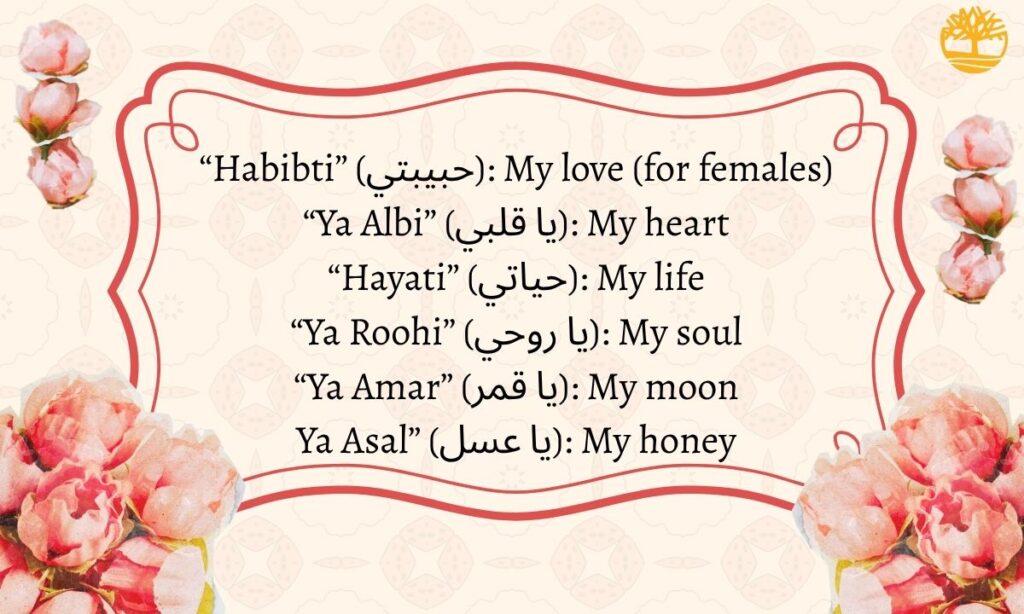
Arabic is rich with beautiful endearments that express affection in poetic ways. Each word carries a unique layer of meaning, often connecting emotion with imagery — the heart, soul, life, or even the moon. These expressions show how deeply love is woven into the Arabic language.
Common Arabic endearments:
- “Habibti” (حبيبتي): My love (for females)
- “Ya Albi” (يا قلبي): My heart
- “Hayati” (حياتي): My life
- “Ya Roohi” (يا روحي): My soul
- “Ya Amar” (يا قمر): My moon
- “Ya Asal” (يا عسل): My honey
- “Azizi / Azizati” (عزيزي / عزيزتي): My dear or precious one
Each of these words adds a special emotional touch to conversation. In Arabic, expressing love is not limited to romance — it’s a daily part of how people talk, laugh, and connect. The variety of affectionate terms shows the depth and poetry of the culture.
“Arabic doesn’t just say ‘I love you’ — it paints it with words that sparkle like stars.”
Why “Habibi” Captures Universal Love
The reason “Habibi” resonates worldwide is simple — it’s a word that feels human. It doesn’t belong to just one culture or country; it belongs to emotion itself. Whether spoken softly between lovers or playfully among friends, it carries the same heartbeat of affection.
In a world divided by languages and borders, “Habibi” stands as a reminder that love connects us all. It’s small yet powerful, warm yet inclusive. Anyone can say it and instantly understand what it means — that’s the true magic of the word.
Its tone, melody, and meaning make “Habibi” sound like a hug in word form. That’s why it continues to travel across songs, screens, and conversations, uniting people through emotion. It’s not just a term — it’s a feeling of belonging and care.
“No matter where you’re from, when someone calls you ‘Habibi,’ your heart understands.”
Frequently Asked Questions
What does “Habibi” literally translate to?
It literally means “my love” or “my beloved” in Arabic.
Can women say “Habibi” to men?
Yes, women can say “Habibi” to men, especially in a romantic or friendly way.
Is “Habibi” only used for romantic partners?
No, it’s also used for friends, family, and even children to show affection.
What’s the feminine form of “Habibi”?
The feminine form is “Habibti” (حبيبتي), meaning “my love” when addressing a woman.
Can non-Arabic speakers use “Habibi”?
Yes, anyone can use it respectfully; it’s become a global expression of warmth.
Is “Habibi” appropriate in formal situations?
No, it’s too personal and affectionate for formal or professional settings.
Final Words
The word “Habibi” is more than just a phrase—it’s a feeling that speaks to the heart. It captures tenderness, connection, and emotion in the simplest way possible. Across languages and cultures, it reminds us that love is universal and timeless. No matter where you hear it, “Habibi” always feels like home.

Muhammad Shoaib is a seasoned content creator with 10 years of experience specializing in Meaning and Caption blogs. He is the driving force behind ExactWordMeaning.com, where he shares insightful, clear, and engaging explanations of words, phrases, and captions.