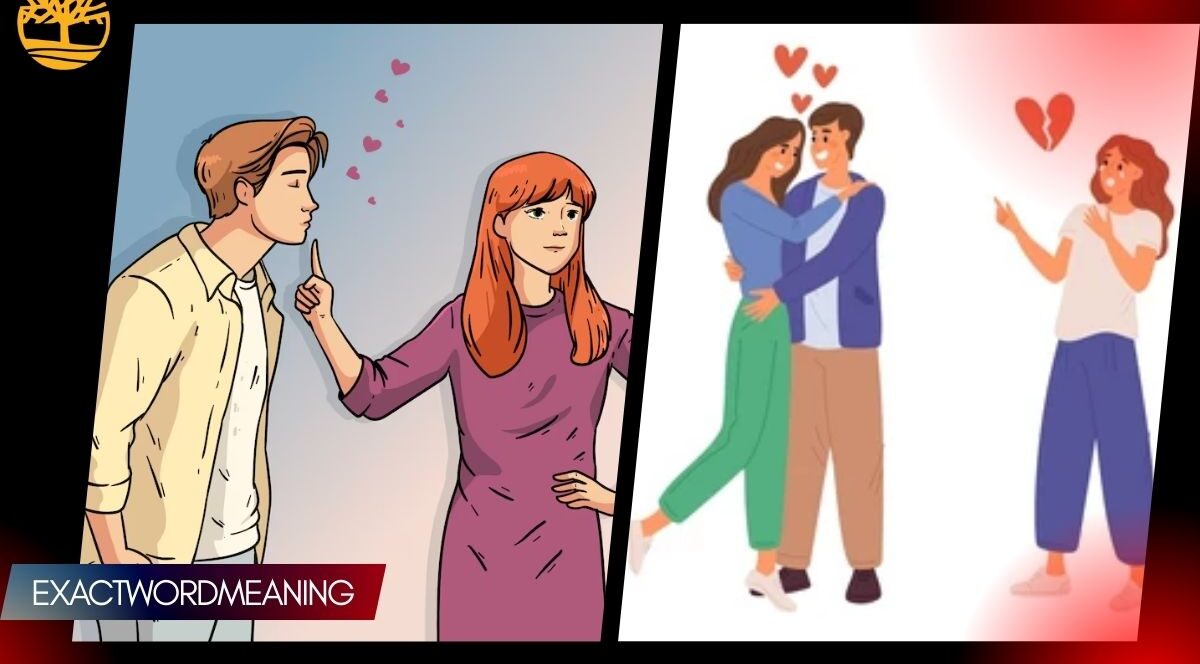
Modern dating already feels complicated, but some behaviors make it even more confusing. Many people experience sudden silence from someone they were seeing, only to have that same person return as if nothing happened. The interaction feels strange, yet it is hard to explain exactly why.
This pattern has begun appearing more frequently in online dating and messaging culture. People often feel confused, question their expectations, and wonder whether they are overreacting. What looks like simple miscommunication can actually hide a deeper psychological pattern.
What Ghostlighting Means in Modern Dating
Ghostlighting is a dating behavior that combines two harmful patterns: ghosting and emotional manipulation. It happens when someone disappears from communication for days or weeks and later returns while pretending nothing unusual occurred. Instead of acknowledging the absence, they dismiss or deny it.
This behavior goes further than ordinary ghosting because it attempts to distort the other person’s perception of reality. The person who disappeared may claim they never stopped communicating or imply that the other person is being overly sensitive.
Typical ghostlighting responses include statements such as:
- “I thought you were busy.”
- “I didn’t realize you expected constant messages.”
- “You’re reading too much into it.”
- “I told you I had a lot going on.”
The goal may not always be intentional manipulation, but the result often feels the same. The person on the receiving end begins to doubt their memory and expectations.
Ghostlighting thrives in modern dating environments where communication is mostly digital and relationship boundaries are often undefined.
Why Ghostlighting Happens in Online Dating Culture
Dating culture has changed significantly over the last decade. Dating apps and social media have created an environment where people can easily start conversations, disappear, and reappear without consequences.
Several factors make ghostlighting more common today.
First, many relationships begin in a “gray area.” Two people may talk frequently, meet a few times, and show romantic interest without clearly defining what they are to each other. This ambiguity creates an easy exit.
Second, digital communication reduces accountability. Ignoring messages is simple, and reappearing later can feel effortless.
Third, some individuals avoid emotional responsibility. Rather than explaining a loss of interest or personal issue, disappearing feels easier. When they return, they may downplay the absence to avoid conflict or guilt.
The cycle often looks like this:
| Stage | Behavior | Effect on the Other Person |
|---|---|---|
| Connection | Frequent texting or dating | Emotional investment grows |
| Disappearance | Communication suddenly stops | Confusion and anxiety |
| Reappearance | Person returns casually | Mixed signals |
| Denial | Absence is minimized or denied | Self-doubt develops |
Because of this pattern, ghostlighting can leave someone emotionally unsettled long after the interaction ends.
How Ghostlighting Differs From Ghosting and Gaslighting
Ghostlighting shares traits with two well-known behaviors but has its own distinct characteristics.
Ghosting occurs when someone stops responding completely and never returns. It is painful but usually clear. The silence itself communicates a lack of interest.
Gaslighting involves manipulating someone into doubting their perceptions or memories.
Ghostlighting combines both behaviors.
Instead of disappearing permanently, the person eventually comes back and acts as though nothing happened. When questioned, they dismiss the concern or imply the other person misunderstood the situation.
Key Differences
| Behavior | Description | Emotional Impact |
|---|---|---|
| Ghosting | Someone stops responding and disappears permanently | Confusion but eventual closure |
| Gaslighting | Psychological manipulation that distorts reality | Loss of confidence and trust |
| Ghostlighting | Disappearing and returning while denying the absence | Confusion, self-doubt, emotional instability |
Because it blends silence with denial, ghostlighting can feel especially disorienting.
Signs You Might Be Experiencing Ghostlighting
Many people struggle to recognize ghostlighting because the behavior appears subtle at first. The person may seem charming, attentive, and interested when communication resumes.
However, several warning signs often appear.
- Someone disappears without explanation after regular communication.
- They return days or weeks later with casual messages like “Hey, what’s up?”
- They avoid discussing the disappearance when you mention it.
- They imply that you misunderstood or expected too much.
- They redirect the conversation instead of acknowledging the gap.
In some cases, the person may even act offended that the absence was noticed.
This dynamic slowly shifts the emotional burden onto the other person. Instead of questioning the disappearing partner, the recipient starts questioning themselves.
The Psychological Impact of Ghostlighting
Ghostlighting affects emotional well-being more deeply than many people realize. The combination of silence and denial can create confusion and insecurity.
People experiencing ghostlighting often report several emotional responses.
- Self-doubt about whether their expectations were reasonable
- Anxiety while waiting for replies
- Feeling embarrassed for bringing up the issue
- Fear of appearing “needy” or “dramatic”
- Difficulty trusting future partners
Over time, these reactions can weaken self-confidence in relationships.
When someone repeatedly accepts ghostlighting behavior, they may begin lowering their standards for communication and respect. The relationship dynamic slowly becomes unbalanced.
Instead of expecting consistency, the person begins tolerating unpredictability.
Healthy relationships rely on reliability and mutual accountability. When communication patterns undermine those qualities, emotional stability suffers.
Other Dating Patterns Often Linked to Ghostlighting
Ghostlighting rarely appears in isolation. It often overlaps with other modern dating behaviors that create confusion and emotional imbalance.
Three patterns frequently appear alongside ghostlighting.
Depth Avoidance
Some people enjoy the excitement of dating but resist emotional intimacy. They may talk frequently about light topics yet avoid deeper conversations about values, family, or personal struggles.
When discussions become serious, they change the subject or joke about it. This prevents genuine emotional connection.
Deflection
Deflection occurs when someone asks many questions about another person while sharing little about themselves.
At first, this attention feels flattering. Over time, however, the conversation becomes one-sided. The person revealing their life story realizes they know almost nothing about the other individual.
Situationships
A situationship describes a relationship that behaves like a partnership but avoids clear labels.
People in situationships may spend significant time together yet resist defining the relationship. Attempts to discuss commitment often receive vague responses such as “Let’s just see where things go.”
These patterns create uncertainty, which allows behaviors like ghostlighting to continue without accountability.
How to Respond if Someone Ghostlights You
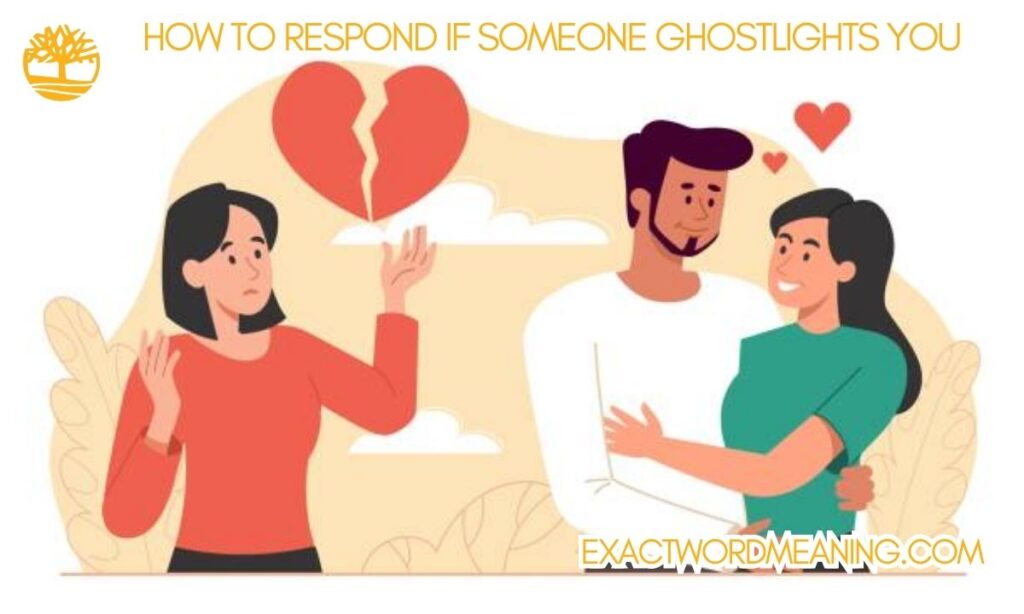
Recognizing ghostlighting is the first step toward protecting your emotional well-being. The next step is deciding how to respond.
Clear communication often reveals whether the person is willing to take responsibility.
When someone reappears after disappearing, addressing the gap calmly can provide clarity. A simple statement such as acknowledging the silence and explaining how it felt can open the conversation.
Healthy responses usually include acknowledgment and accountability. Unhealthy responses often include denial, defensiveness, or dismissal.
Here is a helpful approach:
- Acknowledge the absence calmly.
- Observe how the person reacts.
- Evaluate whether they accept responsibility.
- Decide whether their behavior aligns with your expectations.
If the response includes a genuine explanation and apology, the relationship may still have potential. If the person minimizes the issue or blames you, the pattern will likely repeat.
Consistency matters more than promises.
Setting Healthy Dating Boundaries
Modern dating often encourages people to tolerate ambiguity in the early stages. However, clear boundaries protect emotional health and improve relationship quality.
Healthy dating boundaries include:
- Expecting consistent communication
- Addressing concerns early instead of ignoring them
- Asking direct questions about relationship intentions
- Paying attention to behavior rather than excuses
Boundaries do not require confrontation or aggression. They simply communicate what behavior is acceptable. When someone repeatedly violates those expectations, the healthiest choice may be stepping away. Relationships should create emotional security, not constant confusion.
Why Self-Respect Matters More Than Decoding Their Behavior
One of the most exhausting parts of ghostlighting is the urge to analyze the other person’s motives. People often spend hours replaying conversations and trying to understand why someone disappeared.
In reality, the reason rarely changes the outcome.
Someone who disappears without explanation and refuses to acknowledge it demonstrates a lack of emotional accountability. That behavior alone provides important information about the relationship.
Focusing on self-respect shifts the perspective.
Instead of asking, “Why did they do this?” the more helpful question becomes, “Is this the kind of communication I want in my life?”
Healthy relationships grow through honesty, reliability, and mutual respect. When those qualities are missing early on, they rarely appear later.
Choosing partners who communicate openly and consistently protects both emotional health and long-term happiness.
Conclusion
Ghostlighting reflects a broader shift in modern dating culture, where digital communication makes disappearing and returning easier than ever. While the behavior may appear subtle, its emotional effects can be significant.
Understanding the pattern allows people to recognize it early and respond with clarity. Consistent communication, emotional honesty, and accountability remain the foundation of strong relationships.
The goal of dating is not just finding someone interesting. It is building a connection where both people feel respected, valued, and secure. Recognizing behaviors like ghostlighting helps ensure that the relationships you invest in actually support that goal.

Muhammad Shoaib is a seasoned content creator with 10 years of experience specializing in Meaning and Caption blogs. He is the driving force behind ExactWordMeaning.com, where he shares insightful, clear, and engaging explanations of words, phrases, and captions.