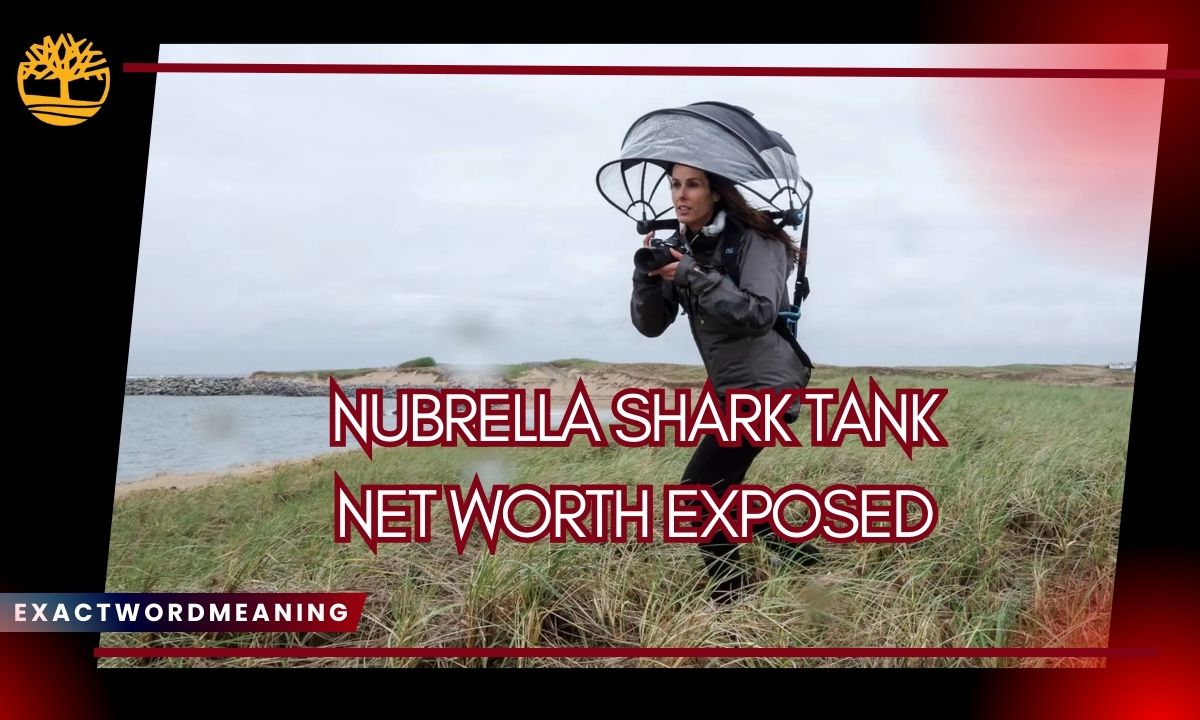
Nubrella captured the spotlight on Shark Tank with a bold, hands-free umbrella that promised convenience and style. The futuristic design wowed investors and viewers alike, creating instant buzz. Yet the story behind the scenes was far more complex than the televised pitch suggested.
After the cameras stopped rolling, Nubrella faced the real challenges of manufacturing, distribution, and market adoption. Legal hurdles and financial pressures tested the startup’s resilience. This article explores Nubrella’s journey, year by year, tracking its valuation, struggles, and eventual business reality.
What Is Nubrella?
Nubrella is a hands-free umbrella system designed to be worn like a backpack, giving users full mobility while staying dry. It surrounds the head and upper body with a protective canopy, unlike traditional umbrellas that only shield the top of the head. The product was developed to address practical daily challenges and modern urban lifestyles.
- Hands-Free Design: Eliminates the need to hold an umbrella, leaving both hands free for phones, bags, or bicycles.
- Full Coverage: Extends protection to shoulders, torso, and upper arms, improving comfort during heavy rain.
- Wind Resistance: Stabilized canopy reduces flipping in strong winds, a common failure in standard umbrellas.
- Target Users: Ideal for commuters, parents, delivery workers, travelers, and outdoor professionals who juggle multiple tasks in wet conditions.
The combination of functionality and convenience positioned Nubrella as more than just a rain accessory—it became a lifestyle and productivity tool.
Overview of the Hands-Free Umbrella Concept
Conceptually, Nubrella challenged centuries of traditional umbrella design by completely removing the handle and replacing it with a shoulder-mounted harness. The system allowed users to move naturally while staying protected, making it useful in urban environments, parks, and even cycling.
- Ergonomic Harness: Distributes weight across shoulders, preventing fatigue.
- Mobility Enhancement: Users can multitask while protected, including carrying items, using gadgets, or cycling.
- Lifestyle Integration: Designed to fit into daily routines, not just as an emergency accessory.
- Behavioral Shift: Required users to adopt new habits, which sometimes slowed mainstream adoption.
This innovative approach combined functionality with user-centered design, prioritizing practical solutions over style trends.
The Idea Behind Nubrella
Innovation for Nubrella came from the desire for freedom of movement. Alan Kaufman noticed the everyday inconvenience of balancing umbrellas, bags, and phones during rain, which inspired a radical redesign.
- Weight Distribution: By transferring weight to the shoulders, users experienced greater balance and comfort.
- Wind Stabilization: Dome-like canopy reduces flipping and tilting in gusty conditions.
- User-Centered Problem Solving: Focused on real-world challenges rather than aesthetics.
- Functional Priority: Innovation aimed to solve a problem effectively, making usability the core of the design.
The concept reflected a practical engineering mindset, emphasizing problem-solving over traditional norms.
Why Traditional Umbrellas Inspired Innovation
Observation of conventional umbrellas revealed multiple weaknesses, which Kaufman turned into opportunities for improvement. Traditional umbrellas often fail in wind, take up a hand, and provide minimal coverage.
- Single-Hand Limitation: Regular umbrellas occupy one hand, creating inconvenience for multitasking.
- Wind Vulnerability: Classic designs frequently invert or break in gusty weather.
- Limited Protection: Only shields the head and shoulders, leaving bags, devices, and clothing exposed.
- Market Stagnation: Centuries of unchanged design suggested an opportunity for modernization.
These insights led to a logical, user-focused innovation that attempted to modernize a centuries-old product.
Who Founded Nubrella?
Founder Alan Kaufman is an inventor and entrepreneur who developed Nubrella out of practical necessity, not brand-building ambitions. His vision, persistence, and hands-on approach drove the product from concept to market.
- Problem-Solving Focus: Kaufman prioritized functionality and user experience over aesthetics.
- Entrepreneurial Background: He did not have Silicon Valley backing; instead, he relied on self-funding, prototyping, and grassroots marketing.
- Persistent Innovation: Continued refining designs based on real-world testing and user feedback.
- Personal Vision Tied to Product: Nubrella remained closely linked to Kaufman’s inventive philosophy, shaping both successes and challenges.
Kaufman’s approach emphasized substance over hype, creating a product that solved a real problem but faced challenges in mainstream adoption.
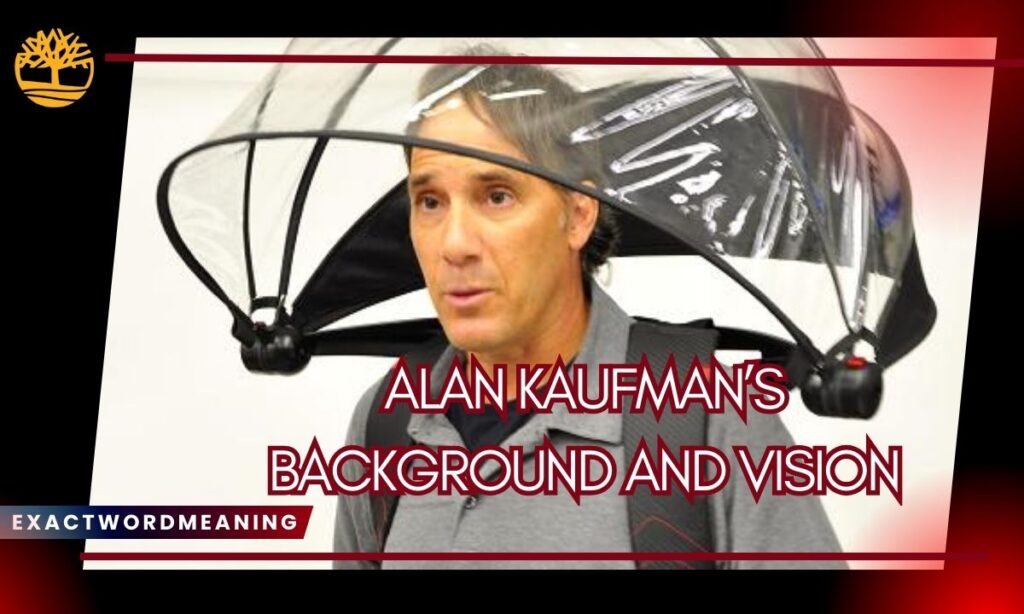
Alan Kaufman’s Background and Vision
Engineering was the foundation of Alan Kaufman’s approach. He came from a background rooted in invention, prototyping, and practical problem-solving rather than traditional business, venture capital, or retail management. His vision focused on improving everyday tools through innovative design.
- Innovation-Driven Mindset: Believed that strong, functional ideas would naturally attract support and adoption.
- Problem-Focused: Sought to solve real user challenges, like balancing items while holding an umbrella in the rain.
- Passion-Fueled Growth: His dedication kept the company moving forward, even when resources were limited.
- Scaling Limitations: While the concept was brilliant, scaling manufacturing and distribution proved challenging without corporate infrastructure.
Kaufman’s vision defined Nubrella’s identity, emphasizing functionality over aesthetics or marketing hype, a trait that attracted attention but limited rapid mass-market adoption.
Early Development of Nubrella
Prototyping Nubrella involved years of iterative design, testing, and adjustments. Kaufman focused on balancing key factors such as weight, stability, and coverage. Each iteration aimed to improve usability while maintaining durability.
- Material Selection: Needed to be lightweight but strong enough to withstand wind and rain.
- Functional Testing: Multiple field tests ensured the umbrella would stay steady during movement and adverse weather.
- Design Refinement: Adjustments to straps, harness, and canopy angles aimed to increase comfort and protection.
- Resource Investment: Personal funds and time were heavily invested before generating any substantial revenue.
This phase laid the foundation for a functional product but revealed challenges that would affect production and scaling later.
Product Design and Initial Prototypes
Prototype development began bulky and costly. Early models proved that the concept worked but were far from consumer-ready. Kaufman refined the product step by step.
- Adjustable Straps: Introduced to fit different body types comfortably.
- Canopy Improvements: Shifted to lighter and more flexible materials for better wind performance.
- Streamlined Design: Reduced size and weight to make the umbrella wearable for longer periods.
- Manufacturing Challenges: Each improvement increased production costs, making mass-market rollout difficult.
The design evolution was a balance between functionality, user comfort, and feasibility, a common struggle for hardware startups.
Pre–Shark Tank Business Stage
Startup phase before Shark Tank was defined by limited sales and visibility. Nubrella had modest early success but no established distribution channels.
- Early Revenue: Generated roughly $80,000 through small-scale sales.
- Brand Recognition: Limited, mostly through local marketing and prototype demonstrations.
- Supply Chain: No established manufacturing or retail network; relied heavily on potential investor support.
- Opportunity Potential: Shark Tank was viewed as a turning point to gain exposure and funding.
Despite early enthusiasm, the company’s small scale made it vulnerable to market and operational pressures.
Nubrella Net Worth Before Shark Tank
Valuation at this stage was largely speculative. As a private startup, Nubrella’s net worth was based on potential rather than tangible assets or profits.
- Assets: Prototypes, patents, and early brand recognition.
- No Profit: Operations had yet to become financially self-sustaining.
- Investor Assumptions: Any valuation relied on assumptions about market adoption rather than revenue streams.
- Market Perception: Seen as innovative but unproven, attracting curiosity from investors.
This pre-show stage reflected the classic early-stage startup scenario: promise without proven scale.
Early Valuation and Market Expectations
Expectations prior to Shark Tank were optimistic but untested. Kaufman believed the product could reach mass adoption with the right support and capital infusion.
- Innovation Priority: Focused more on unique design than market research.
- Investor Interest: Expected exposure from Shark Tank to unlock partnerships and funding.
- Market Potential: Assumed broad consumer appeal due to convenience and novelty.
- Risk Awareness: Early-stage uncertainty meant that the valuation was more hopeful than guaranteed.
This mindset shaped the Shark Tank pitch and highlighted the potential vs. reality tension inherent in hardware startups.
Nubrella Shark Tank Pitch
Appearance on Shark Tank took place in Season 1, Episode 12 (January 2010). Kaufman demonstrated Nubrella’s hands-free benefits, immediately capturing attention.
- Unique Presentation: Showcased the product in use, emphasizing freedom of movement.
- Sharks’ Reactions: Mix of curiosity, skepticism, and humor, reflecting novelty and perceived risk.
- Memorability: The unusual design made it one of the more talked-about early-season pitches.
- Investor Considerations: Product viability and production challenges raised caution among the Sharks.
The pitch became a defining moment, providing visibility while exposing operational and investment gaps.
Season and Episode Details
Shark Tank Season 1 offered a smaller, experimental format compared to later seasons. The context influenced both the deal’s structure and the potential post-show impact.
- Experimental Show Format: Deals were less standardized; outcomes varied.
- Limited Immediate Exposure: Early seasons did not create massive sales spikes compared to later episodes.
- Unpredictable Investment Environment: Sharks’ offers were influenced by novelty rather than market testing.
- Strategic Opportunity: Despite unpredictability, the appearance provided a crucial platform for investor interest and public recognition.
This early season context set the stage for Nubrella’s unique Shark Tank journey.
Investment Ask and Valuation
Proposal from Alan Kaufman requested $200,000 in exchange for 25% of Nubrella. This implied a pre-money valuation of $800,000. The Sharks scrutinized manufacturing feasibility, market demand, and product practicality before responding.
- Shark Concerns: Production costs, durability, and consumer adoption were questioned.
- Negotiation Dynamics: Two Sharks immediately showed interest, leading to fast-paced discussions.
- Valuation Impact: The offer set a benchmark for Nubrella’s early perceived market worth.
- Founder Strategy: Kaufman emphasized uniqueness and potential to secure a favorable deal.
Despite skepticism, the pitch demonstrated potential to revolutionize the umbrella market.
Which Shark Invested in Nubrella?
Investors Daymond John and Kevin Harrington jointly backed Nubrella with $200,000 for a 51% stake. This gave them majority control, providing capital and mentorship.
- Stake Allocation: Reduced Kaufman’s ownership but ensured access to resources.
- Valuation: Post-money valuation calculated at approximately $392,157.
- Strategic Value: Sharks provided guidance on manufacturing and marketing.
- Perceived Win: On-air, the deal appeared to be an immediate success.
The investment reflected both the risk of hardware startups and the Sharks’ belief in product innovation.
On-Air Deal Details
Control rested heavily with the Sharks due to the 51% stake. This reflected the challenges of scaling a hardware-based company with limited production capacity.
- Majority Ownership: Sharks could influence decisions on manufacturing, design, and sales.
- Production Risks: The deal underscored potential hurdles in bringing the concept to market.
- Perceived Closure: Viewers assumed a smooth investment, unaware of future complications.
- Initial Confidence: Kaufman accepted the deal to secure funding and guidance.
The on-air presentation left audiences impressed, though the real-life execution was far more complex.
Post-Show Deal Controversy
Dispute arose when Kaufman later claimed the investment never fully closed. Conflicts included disagreements over manufacturing revisions and capital disbursement.
- Unfulfilled Investment: $200,000 reportedly never reached Kaufman.
- Operational Impact: Lack of funds hindered production and expansion plans.
- Legal Complications: The disagreement became a critical turning point for the company.
- Investor Relations: Trust issues with Sharks affected long-term growth strategy.
This controversy highlighted common issues with early-stage televised deals.
Immediate Impact After Shark Tank
Exposure from Shark Tank boosted brand awareness but revealed operational weaknesses. Consumer interest exceeded supply capabilities.
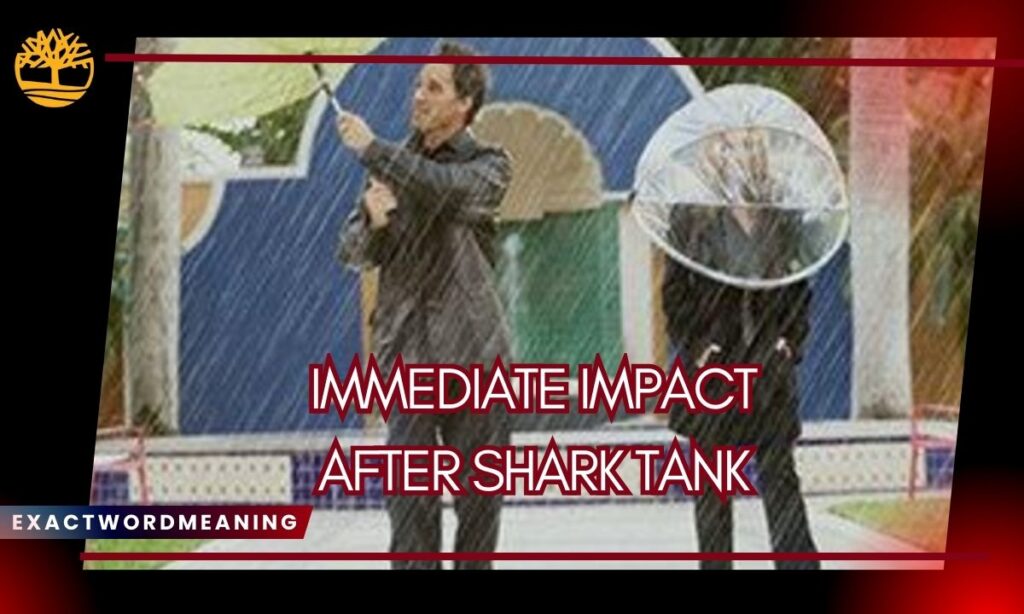
- Sales Spike: Initial demand surged, but fulfillment lagged behind.
- Manufacturing Delays: Limited production slowed growth and caused customer dissatisfaction.
- Brand Recognition: Nubrella became widely known, even without mass-market presence.
- Momentum Challenges: Early visibility could not translate into sustainable revenue immediately.
The mixed results demonstrated that publicity alone does not guarantee business success.
The Shark Tank Exposure Effect
Reruns and continued media attention had unintended consequences. Outdated product versions confused consumers and investors.
- Product Confusion: Viewers purchased older versions rather than updated models.
- Investor Hesitation: Ongoing exposure without delivery created doubts among potential backers.
- Brand Freeze: Early iteration became the “face” of Nubrella, limiting perception of innovation.
- Long-Term Consequences: Despite visibility, growth stagnated due to operational bottlenecks.
The exposure effect illustrates how media attention can simultaneously help and hinder startups.
Nubrella Net Worth Timeline
Tracking Nubrella’s net worth over time shows a fluctuating private business trajectory. Exact numbers remain undisclosed; estimates are based on investment, sales, and operational activity.
Nubrella Net Worth in 2010
Post-Money Valuation: ~$392,157, derived from the Shark Tank investment. Production issues made cash availability limited, making the valuation fragile.
- Startup Stage: Primarily prototypes and patent assets.
- Revenue: ~$80,000 from early sales.
- Risk Factors: High dependency on investment and manufacturing success.
- Market Perception: Seen as an innovative but untested product.
Nubrella Net Worth in 2011–2012
Decline occurred due to halted momentum and unresolved production issues.
- Limited Sales: Manufacturing bottlenecks slowed revenue.
- Investor Backing: Partial or delayed, affecting growth.
- Valuation: Likely below initial $392,157 post-money figure.
- Operational Status: Brand existed more as an idea than a business.
Nubrella Net Worth in 2013–2016
Dormancy and legal disputes defined this period. The company remained largely inactive, with valuation near negligible by 2016.
- Public Interest: Declined sharply as competitors emerged.
- Legal Disputes: Shark Tank deal breakdown impacted investor confidence.
- Cash Flow: Founder declared the company out of cash in 2016.
- Net Worth: Mostly tied to patents and intellectual property.
Nubrella Net Worth in 2017–2019
Restructuring and crowdfunding revived activity, though net worth stayed under $1 million.
- Redesign: Introduction of backpack-style Nubrella.
- Funding: Raised via Indiegogo/Kickstarter campaigns.
- Sales: Restarted on Amazon and niche online stores.
- Business Model: Lean operations with controlled growth.
Nubrella Net Worth in 2020–2022
Stabilization occurred with continued niche e-commerce operations.
- Pandemic Influence: E-commerce slightly boosted sales.
- Operations: Focused on inventory and brand consistency.
- Revenue Model: Direct-to-consumer sales sustained operations.
- Valuation: Private and conservative, under mainstream expectations.
Nubrella Net Worth in 2023–2026
Current Status reflects a small private business with undisclosed net worth.
- Operations: Small-scale, direct-to-consumer online sales.
- Assets: Inventory, design rights, and patents.
- Market Reach: Niche, not mass-market.
- Growth: Steady but limited; Shark Tank expectations not met.
Legal Issues and Business Challenges
Disputes surrounding Nubrella’s Shark Tank deal and investment fundamentally shaped the company’s trajectory. Legal challenges consumed time, money, and attention, often overshadowing product development. Without resolution, operational growth was stalled.
- Operational Impact: Legal distractions delayed production, marketing, and sales strategies.
- Financial Strain: Resources were diverted to litigation instead of scaling the business.
- Brand Reputation: Public disputes affected trust with consumers and potential investors.
- Strategic Setback: Innovation alone could not overcome the regulatory and contractual obstacles.
Legal difficulties highlight how startup growth can be disrupted by non-product-related challenges.
Shark Tank Deal Disputes
Controversy arose over whether the investment from Daymond John and Kevin Harrington officially closed. Kaufman claimed the funds never arrived, creating significant operational hurdles.
- Investor Trust: Confusion over deal terms discouraged additional investment.
- Scaling Problems: Without capital infusion, manufacturing and distribution could not expand.
- Founder Challenges: Kaufman had to self-fund or rely on crowdfunding to continue.
- Business Outcome: The unresolved deal became a major turning point, affecting years of growth.
This dispute demonstrates the importance of formal agreements and follow-through in startup deals.
Lawsuits and Public Claims
Litigation and public claims were highly visible but ineffective in resolving core issues. Legal battles slowed company progress.
- Costly Proceedings: Attorney fees and administrative work drained limited funds.
- Public Perception: Claims brought attention but limited investor confidence.
- Business Focus: Disputes distracted from refining the product or scaling operations.
- Outcome: Resolution took years, leaving the business operating in a limited capacity.
Legal attention can be double-edged: it raises visibility but may delay core operations.
Why Nubrella Did Not Go Mainstream
Adoption barriers and consumer habits prevented widespread use. The hands-free concept, though innovative, required users to change established routines.
- Consumer Resistance: People were hesitant to wear an umbrella like a backpack.
- Behavioral Barriers: Multitasking and comfort trade-offs reduced appeal.
- Design Limitations: The bulky canopy and straps made casual use awkward.
- Market Insight: Innovation alone cannot guarantee mass adoption.
Even creative products must align with user expectations to succeed widely.
Consumer Behavior and Design Barriers
Challenges included unfamiliarity, aesthetics, and ergonomics. Nubrella’s form factor created adoption friction.
- Fashion Concerns: Some users avoided the product for style reasons.
- Comfort Issues: Shoulder-mounted design required adjustment and practice.
- Perceived Complexity: Consumers preferred simple, easy-to-use alternatives.
- Market Segment: Targeted niche audiences rather than mainstream users.
Understanding consumer psychology is essential for new product categories.
Pricing and Market Limitations
Cost was a major factor limiting sales. Nubrella was priced higher than standard umbrellas due to materials and manufacturing complexity.
- Production Costs: Lightweight, durable materials increased expenses.
- Consumer Comparisons: Buyers often chose cheaper, familiar options.
- Impulse Purchase Limitation: Higher price reduced spontaneous buying.
- Market Constraints: Premium positioning conflicted with broad adoption goals.
Pricing strategy is crucial, particularly for hardware innovations entering a familiar market.
Nubrella Revenue Model
Business relies on direct-to-consumer sales. There are no subscription models or licensing agreements, making the revenue stream straightforward but narrow.
- Sales Source: Income comes primarily from individual product purchases.
- Recurring Revenue: There is no ongoing income from subscriptions or services.
- Profit Margins: Highly dependent on efficient production and supply chain management.
- Growth Potential: Limited by niche market size and consumer adoption.
Direct sales can sustain small-scale operations but often restrict scalability.
How the Company Makes Money
Revenue is generated through online sales of physical units. The company’s profitability depends on consistent production and inventory management.
- E-Commerce Focus: Website and Amazon are primary sales channels.
- Retail Absence: No large-scale brick-and-mortar distribution exists.
- Revenue Consistency: Lean operations allow survival but limit growth.
- Expansion Potential: Scaling would require substantial investment in marketing and logistics.
Profitability hinges on balancing production efficiency with controlled sales.
Sales Channels and Distribution
Distribution is small-scale and carefully managed, reducing risk but limiting exposure.
- Online Platforms: Amazon, official website, and crowdfunding channels.
- Direct Fulfillment: Ensures quality control but constrains volume.
- Niche Focus: Targets specific consumer groups rather than mass-market audiences.
- Controlled Growth: Prioritizes sustainability over rapid expansion.
Strategic channel management has helped Nubrella survive despite operational challenges.
Is Nubrella Still in Business?
Operations continue quietly in 2026. The brand fulfills niche demand without pursuing mainstream adoption.
- Business Scale: Small e-commerce operations with minimal staff.
- Production Model: Limited batches rather than mass production.
- Brand Focus: Sustaining product quality and customer satisfaction.
- Market Presence: Niche, with steady but modest sales.
Survival in a specialized segment reflects resilience despite early setbacks.
Current Business Status
Structure is lean and founder-led. The company emphasizes sustainability and controlled operations rather than aggressive growth.
- Team Size: Minimal staff handling operations and production.
- Operational Focus: Emphasis on quality, not quantity.
- Founder Leadership: Alan Kaufman remains actively involved in development.
- Strategic Approach: Growth is measured, low-risk, and self-funded.
Small-scale operations ensure business continuity without external pressures.
Alan Kaufman Net Worth
As of early 2026, Alan Kaufman’s net worth is estimated around $12 million, primarily tied to his role as Director at NPK International Inc. and substantial stock holdings, with past links to Newpark Resources contributing to his valuation.
His wealth is largely concentrated in ownership of Nubrella’s brand, patents, designs, and inventory, reflecting a business-focused approach rather than celebrity-level fame. Income comes from ongoing product sales and related ventures, with profits often reinvested into development.
Kaufman maintains a low public profile, emphasizing sustainability, innovation, and active corporate involvement over personal luxury or high-profile exits.
Lifestyle of the Nubrella Founder
Alan Kaufman’s lifestyle revolves around innovation, entrepreneurship, and hands-on promotion of the Nubrella. Following his Shark Tank appearance in 2010, he dedicated over a decade to refining and marketing the hands-free, wind-resistant umbrella.
Kaufman actively demonstrated the product, highlighting its backpack-style design and practicality for commuting, hiking, and outdoor events. He focused on durable, UV-reflective materials and aerodynamic construction, blending functionality with design.
Resilient and determined, he continued iterating despite challenges, embodying the role of inventor and marketer. His life reflects dedication to creating a practical, wearable weather solution while living the product he built.
Is Nubrella Worth Investing In Today?
Evaluation depends on risk tolerance and interest in niche hardware products.
- Investment Scale: Small, private operations limit large returns.
- Growth Potential: Possible but constrained by consumer habits and production limits.
- Risk Factors: High; success depends on adoption and manufacturing efficiency.
- Market Appeal: Niche positioning reduces mainstream exposure.
Investors should approach cautiously, prioritizing passion over profit.
Market Position in 2026
Status is niche with limited market share. Nubrella does not compete with mass-market umbrella brands but remains unique.
- Competition: Focused on differentiating from traditional umbrella products.
- Value Proposition: Hands-free convenience for specific audiences.
- Market Share: Small but loyal consumer base.
- Growth Strategy: Stability prioritized over expansion.
The brand occupies a specialized, resilient space in the umbrella market.
Risk and Growth Potential
Factors include limited demand, design adoption, and production costs.
- Operational Risks: Supply chain and small-scale production vulnerabilities.
- Expansion Needs: Significant investment required for mainstream growth.
- Market Response: Consumer comfort with novel designs is uncertain.
- Return Uncertainty: Potential exists but is not guaranteed.
Careful planning is essential to mitigate inherent risks.
Lessons from Nubrella’s Shark Tank Journey
Insights highlight the importance of aligning innovation with practical execution.
- Consumer-Centric Design: Ideas must match user habits.
- Manufacturing Complexity: Can derail momentum quickly.
- Media Exposure: Attention alone does not replace strategic execution.
- Legal Preparedness: Contracts and clarity are critical for startup success.
Niche success demonstrates that survival is a valid measure of entrepreneurial achievement.
Key Takeaways for Entrepreneurs
Advice from Nubrella’s journey can guide startups navigating hardware and niche markets.
- Innovation vs Adoption: Unique products need user acceptance to thrive.
- Operational Execution: Manufacturing and logistics can determine success more than concept.
- Legal Clarity: Fully executed agreements prevent costly disputes.
- Niche Success: Small markets can sustain a business if managed carefully.
Practical lessons from Nubrella offer a roadmap for managing risk and creativity.
Frequently asked questions
How Much Is Nubrella Worth Today?
Its net worth is private and estimated to be under $1 million.
Did the Shark Tank Deal Close?
According to the founder, the deal did not fully close.
Where Can You Buy Nubrella?
Nubrella products are available online through select platforms.
Who Owns Nubrella Now?
Alan Kaufman remains the owner.
Final Thoughts
Nubrella’s story is not about failure or success alone. It is about reality. Innovation met exposure, but execution fell short. Today, Nubrella survives quietly, proving that not every Shark Tank business becomes a giant. Sometimes, survival itself is the achievement.

Muhammad Shoaib is a seasoned content creator with 10 years of experience specializing in Meaning and Caption blogs. He is the driving force behind ExactWordMeaning.com, where he shares insightful, clear, and engaging explanations of words, phrases, and captions.