
Asia’s financial world is evolving at lightning speed. Fintech is no longer just an option—it’s redefining how people pay, save, and invest. From AI-powered tools to mobile wallets, every transaction is becoming smarter and faster.
Businesses, startups, and banks are working together to build seamless, digital-first experiences. Consumers are benefiting from more inclusive and accessible financial services. This surge of innovation is not a passing trend—it’s the future of finance in Asia.
16 Emerging & Top Fintech Trends Shaping the Future of Finance
The financial world is transforming at an unprecedented pace. Asia and other global markets are witnessing rapid adoption of digital innovations that are reshaping banking, investment, and payments. Technology is no longer an add-on; it’s the backbone of modern finance. Fintech trends are not only enhancing convenience but also expanding access, improving security, and creating entirely new business models.
Companies, governments, and consumers are navigating this new landscape together. AI, blockchain, and digital identities are driving smarter financial products. From personalized banking to cross-border payments, technology is enabling faster, safer, and more efficient financial interactions. Understanding these 16 emerging trends will help businesses and individuals stay ahead in the evolving financial ecosystem.
1. Mainstream Adoption of Central Bank Digital Currencies (CBDCs)
Central Bank Digital Currencies are emerging as the next big step in national financial systems. Unlike cryptocurrencies, CBDCs are state-backed, providing the reliability of fiat money with the convenience of digital transactions. Several Asian governments are actively piloting digital currencies to streamline payments and reduce cash dependency.
Why Asian Governments Are Moving Fast
Asian countries like China and Singapore are racing to implement CBDCs. The goal is to increase financial inclusion and enhance transaction efficiency. Cross-border payments can become faster and cheaper with digital currencies. Governments also see CBDCs as tools to monitor economic activity and reduce fraud.
CBDCs offer measurable benefits for citizens and businesses. Citizens gain easy access to government subsidies or welfare programs. Businesses can process payments instantly without intermediaries. Central banks get improved monetary policy tools. These advantages are driving rapid adoption.
2. Decentralized Finance (DeFi) Goes Mainstream
DeFi uses blockchain to create peer-to-peer financial ecosystems. This trend is moving beyond niche cryptocurrency circles into mainstream finance. DeFi enables lending, borrowing, and investing without traditional banks. Smart contracts automate transactions and enforce rules transparently.
From Niche Crypto to Powerful Financial Infrastructure
Initially, DeFi served crypto enthusiasts with experimental products. Today, it is integrating with traditional financial services. Platforms are offering hybrid solutions where users can interact with regulated banks while enjoying DeFi benefits. Global investors are increasingly using DeFi to access high-yield opportunities.
DeFi reduces dependency on centralized institutions. Loans can be issued to anyone with an internet connection. Interest rates and terms are governed by algorithms rather than human bias. This trend is democratizing finance for millions.
3. AI-Driven Personalized Financial Services
Artificial Intelligence is revolutionizing the way financial services are delivered. From banking to wealth management, AI enables hyper-personalization. Users receive tailored insights based on spending habits, risk appetite, and financial goals. AI also improves operational efficiency, reducing costs for providers.
Hyper-Customized Banking Experiences
AI tools can recommend credit cards, investment strategies, and loan options suited to individual profiles. Chatbots provide instant customer support around the clock. Fraud detection systems identify anomalies before users are impacted. AI-driven dashboards give consumers real-time updates on their financial health.
Financial institutions benefit as well. They can target offers more accurately. Operational workloads are reduced by automation. Risk assessment and credit scoring become more precise. AI is shaping a future where finance adapts to individual needs rather than the other way around.
4. Quantum Computing Revolutionizes Financial Modeling
Quantum computing is set to change complex financial calculations. Traditional computers struggle with large datasets, but quantum machines analyze massive volumes instantly. Portfolio optimization, risk analysis, and derivatives pricing become faster and more accurate.
Faster Risk Analysis and Fraud Detection
Quantum algorithms can detect fraud patterns that standard systems may miss. Financial institutions can run simulations in seconds rather than days. This capability allows better hedging strategies and market predictions. Banks and fintechs gain a competitive edge through faster decision-making.
Quantum computing also enhances algorithmic trading. Models can evaluate more variables simultaneously. Financial institutions can offer more sophisticated products. Fraud detection becomes predictive rather than reactive. The technology promises a revolution in analytical power for finance.
5. Enhanced Security & Authentication Measures

Security is critical in a digital-first financial world. Multi-factor authentication, encryption, and biometric verification protect users from fraud. With rising cyber threats, advanced security measures are becoming standard rather than optional.
Biometrics and Zero-Trust Models
Fingerprint, facial, and voice recognition are now common in apps. Zero-trust models ensure that every user and device is verified continuously. Continuous monitoring reduces the risk of breaches. Companies must stay proactive to maintain customer confidence.
Security also impacts compliance and regulation. Strong frameworks protect sensitive financial data. Customers feel more secure, driving adoption of digital platforms. Security innovations are as crucial as convenience in modern fintech.
6. Rise of Embedded Finance
Embedded finance integrates financial services into non-financial apps. This trend is removing barriers between consumers and banking. Ride-hailing, e-commerce, and travel platforms now offer credit, insurance, and payments directly in their apps.
Banking Features Inside Non-Banking Apps
Users can pay, borrow, and invest without leaving the app they are using. Companies like Grab and Shopify are leading in embedding banking features. Embedded finance increases customer engagement and monetization opportunities. It creates seamless user journeys by blending finance into daily life.
Businesses benefit from higher retention rates. Users enjoy convenience and reduced friction. Platforms gain data to offer personalized financial products. This trend is expected to grow rapidly across Asia and beyond.
7. Tokenization of Assets
Tokenization converts real-world assets into digital tokens on a blockchain. Real estate, art, and collectibles can be fractionally owned and traded easily. Tokenization improves liquidity and opens investment opportunities to a wider audience.
Real Estate, Art, and Beyond Enter the Digital Age
Investors can buy small portions of expensive assets without significant capital. Market access is global, enabling cross-border investments. Smart contracts ensure transparent transactions. Traditional barriers to asset ownership are disappearing through tokenization.
Tokenization also improves auditability. Records are immutable and accessible on the blockchain. Fractional ownership encourages portfolio diversification. This trend is revolutionizing how wealth is created and transferred.
8. Regulatory Evolution & Collaboration
Rapid fintech innovation requires adaptable regulatory frameworks. Governments are using sandboxes and cross-border collaboration to manage risks. Cooperation ensures innovation continues without compromising consumer protection.
Sandboxes, Frameworks, and Cross-Border Alignment
Fintech companies can test new ideas in controlled environments. Regulatory sandboxes reduce barriers to entry. Collaboration between nations simplifies compliance for cross-border operations. Predictable regulations attract investment and foster sustainable growth.
This approach balances innovation with security. Companies innovate responsibly while staying compliant. Regulators gain insights from real-world deployments. Consumers benefit from safer and more reliable financial products.
9. Expansion of Open Banking Ecosystems
Open Banking allows third-party developers to access customer financial data with consent. APIs enable fintechs and banks to build innovative solutions faster. Customers enjoy more personalized services and better financial management tools.
APIs Bringing Banks and Fintechs Together
Third-party developers can offer budgeting tools, lending options, or investment dashboards. Open Banking creates competition, driving better products. Consumers can aggregate accounts across multiple banks in one interface. Collaboration fosters new business models in the financial ecosystem.
This trend improves transparency and customer empowerment. Data sharing is secure and controlled by users. Open Banking accelerates digital finance adoption. It’s a cornerstone of modern financial infrastructure.
10. Green FinTech & Sustainable Investments
Sustainability is influencing fintech decisions. Green FinTech channels investments into environmentally responsible projects. Climate-focused funds, green bonds, and ESG platforms are gaining traction.
Climate-Tech Funding Meets Digital Finance
Investors can track carbon footprints and support clean energy. Fintech platforms enable sustainable lending and investing. Companies align business strategies with environmental goals. Consumers increasingly demand ethical financial solutions.
Sustainable finance drives long-term growth. Regulatory incentives support green investments. Innovation ensures both profitability and environmental responsibility. This trend is shaping a new era of conscious finance.
11. Generative AI in Banking
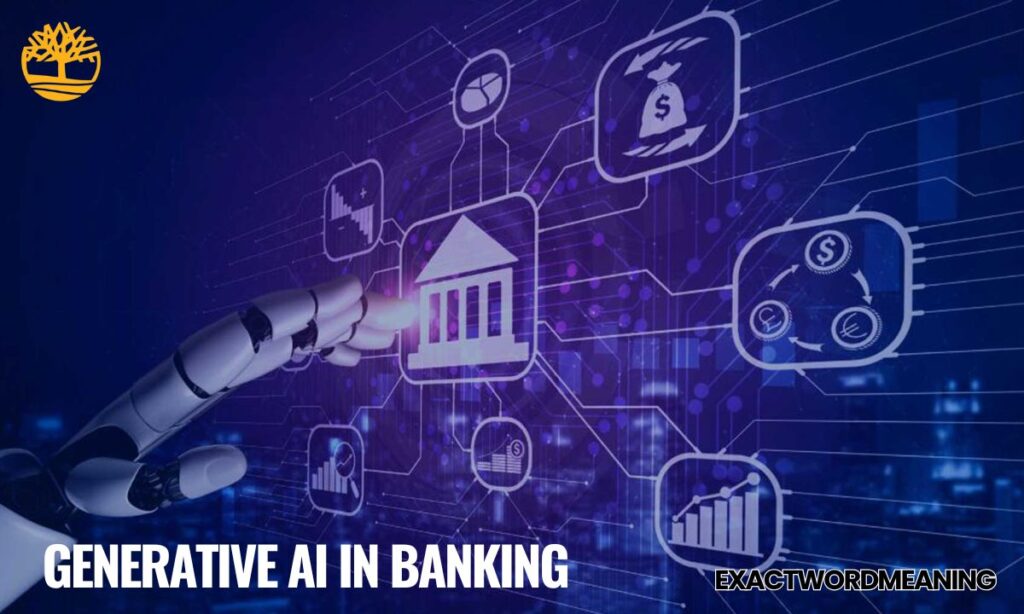
Generative AI creates new content, insights, and reports for financial services. This technology improves decision-making and automates repetitive tasks. Banks can generate personalized recommendations instantly.
Smart Reporting, Insights, and Automated Workflows
Generative AI automates report creation and investment proposals. Risk models can simulate scenarios faster. Compliance documentation is generated accurately. Financial teams focus on strategy rather than manual work.
AI also enhances customer interactions. Chatbots and advisors offer hyper-personalized guidance. Time-consuming processes become seamless. Institutions save costs while improving accuracy and efficiency.
12. Transform Your Financial Services with AI
AI adoption is no longer optional; it’s critical. Intelligent automation optimizes operations, compliance, and customer engagement. Banks and fintechs must integrate AI across workflows for competitive advantage.
How Institutions Are Using Intelligent Automation
- Automating loan approvals with predictive models.
- Detecting fraud in real-time using machine learning.
- Personalizing marketing campaigns based on user data.
- Streamlining back-office operations for efficiency.
Intelligent automation frees human resources for complex tasks. Accuracy improves while operational costs drop. Institutions become more agile and customer-focused. This trend is reshaping traditional banking.
13. Digital Identity Adoption
Digital identity solutions allow seamless verification online. National ID integration simplifies account opening, loan applications, and payments. Customers control their data while maintaining privacy.
National ID Integration and Seamless Verification
Governments and fintechs collaborate to link digital IDs to banking apps. Users authenticate themselves without physical documents. Onboarding becomes faster and more convenient. Fraud risks are minimized through secure digital verification.
Standardized digital IDs enable cross-border financial access. Remittances and international account openings become easier. Digital identity also supports financial inclusion. This trend is foundational for a secure, connected ecosystem.
14. Advanced Anti-Money Laundering (AML) Tools
AML compliance is critical for digital finance. AI-based tools monitor transactions in real-time, identifying suspicious patterns. Automation reduces manual workloads and increases efficiency.
Real-Time Monitoring and AI-Based Alerts
Financial institutions can flag unusual activities instantly. Predictive models analyze user behavior to detect potential fraud. Alerts are sent to compliance teams for immediate action. These systems minimize financial crime and regulatory penalties.
Advanced AML tools also help banks comply with global standards. Monitoring becomes proactive rather than reactive. Technology reduces human error while improving oversight. This trend safeguards the integrity of financial systems.
15. Mobile Financial Services Expansion
Mobile financial services empower remote and underserved populations. Access to banking, payments, and loans via smartphones drives inclusion. Mobile platforms are essential in emerging markets.
Fintech Access for Remote and Underserved Communities
Microloans, mobile wallets, and payment apps bring finance to previously unreachable areas. Farmers, street vendors, and small businesses gain new opportunities. Mobile platforms are cost-effective and scalable. They also provide valuable transaction data for better services.
Mobile adoption accelerates digital literacy. Customers trust convenient and secure platforms. Governments and fintechs collaborate to expand reach. This trend is transforming financial accessibility across Asia.
16. Biometric In-Store Payments
Biometric payments are becoming a reality in retail. Facial, fingerprint, and palm recognition replace cards and cash. The technology offers faster and more secure in-person transactions.
Facial and Palm Payments Gain Momentum
Shoppers authenticate purchases with a glance or touch. Payment processes are streamlined, reducing checkout times. Biometric methods improve security compared to PINs or passwords. Privacy concerns are addressed with encrypted storage and consent frameworks.
Retailers benefit from higher throughput and customer satisfaction. Consumers enjoy convenience without sacrificing safety. Biometric payments are expected to become standard in the next few years.
Partner with Moon Technolabs and Stay Ahead in the Fintech Industry
Moon Technolabs offers cutting-edge fintech solutions to help businesses innovate and stay competitive. Their expertise spans blockchain, AI, and digital transformation. Partnering with them enables companies to enhance security, streamline operations, and deliver better customer experiences. Collaboration with Moon Technolabs positions firms to lead in Asia’s rapidly evolving financial landscape.
Strategic Tech Collaborations for Long-Term Growth
Successful fintech innovation relies on collaboration between technology providers, banks, and startups. By sharing expertise, resources, and infrastructure, partners can develop scalable solutions that address evolving market needs. These alliances drive faster adoption, reduce operational risks, and create new revenue streams for all stakeholders.
Strategic partnerships also foster continuous innovation through co-development of AI-driven services, embedded finance, and digital banking platforms. Companies that actively engage in collaborative ecosystems gain access to knowledge, regulatory insights, and advanced technologies. This approach ensures sustainable growth and positions businesses at the forefront of the fintech revolution.
Frequently Asked Questions
What technologies are shaping the next era of fintech?
AI, blockchain, quantum computing, and embedded finance are driving the future of digital finance.
Why is Asia leading the adoption of CBDCs?
High digital penetration, supportive regulations, and underbanked populations accelerate CBDC adoption in Asia.
How does AI reduce financial risk?
AI predicts fraud, assesses creditworthiness, and automates compliance to minimize financial risks.
Will DeFi replace traditional banking?
DeFi complements rather than replaces traditional banks, offering peer-to-peer and decentralized financial services.
What makes embedded finance so powerful?
It integrates financial services directly into everyday apps, enhancing convenience and user engagement.
Final words
As Asia’s fintech ecosystem continues to grow, partnerships and technological innovation will remain key. Companies must embrace AI, blockchain, and embedded finance to stay relevant. Collaborating with tech leaders ensures scalability, security, and smarter financial solutions. This strategic approach enables businesses to thrive in a fast-paced digital finance environment.

Muhammad Shoaib is a seasoned content creator with 10 years of experience specializing in Meaning and Caption blogs. He is the driving force behind ExactWordMeaning.com, where he shares insightful, clear, and engaging explanations of words, phrases, and captions.