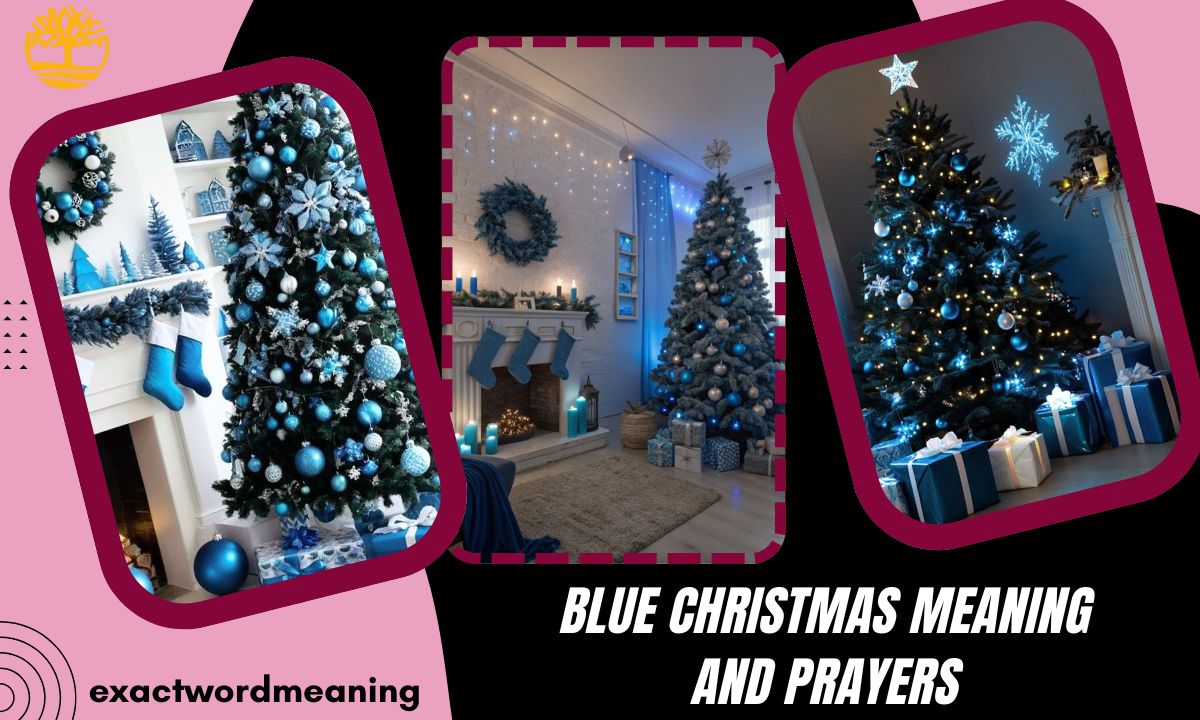
Blue Christmas sits at the edge of the holiday season, where joy and sorrow often meet. It offers space for people carrying grief, loneliness, or heavy memories. This gentle observance reminds us that light grows even in the darkest nights, and that healing can begin with small steps.
It’s a moment to breathe, reflect, and feel seen. Blue Christmas services invite honesty, stillness, and hope. Through quiet prayers and simple rituals, those who are hurting can find a sense of comfort. It’s a reminder that even in sadness, we are held, supported, and never alone.
Understanding Blue Christmas
Blue Christmas holds a gentle place in the calendar, offering space for those who struggle during the holiday season. It creates a moment where people can acknowledge grief, loss, or loneliness without pressure to pretend. Many churches host Blue Christmas services around the winter solstice when nights feel longest. These gatherings welcome anyone seeking peace in a difficult time.
This day reminds us that the season is not joyful for everyone, and that honesty about pain is part of healing. Communities come together to light candles, read scripture, and offer prayers for comfort. The service blends quiet reflection with hope, gently guiding hearts toward peace. It encourages people to sit with sorrow while trusting that new light always arrives.
The History Behind Blue Christmas
The tradition began as churches realized many people needed a space that recognized sadness during a joyful season. Pastors created services that allowed open expression of grief. Over time, Blue Christmas became a meaningful part of Advent. It spread across Catholic, Anglican, Methodist, Lutheran, Moravian, and Reformed churches.
The longest night of the year connects deeply with the theme of waiting for light. Many services link this day to Saint Thomas the Apostle, who wrestled with doubt. His story reflects the struggle to trust when life feels dark. Blue Christmas invites people to bring that struggle into sacred space.
Why Blue Christmas Matters Today
Emotional pressure often increases during holidays filled with celebration. People grieving loved ones may feel out of place in festive gatherings. Blue Christmas offers a quiet pause in the noise. It says it is okay to be sad and still belong in the season.
The service also helps people feel seen when life seems heavy. It offers prayers, music, and readings that steady the heart. Many describe it as a soft shelter in December. The gentle tone allows honesty, reflection, and slow healing.
Blue Christmas Meaning in Faith
Blue Christmas centers on the belief that God meets people in their deepest sorrow. It tells the story of a God who walks with us through every shadow. The service reflects scriptures that speak to darkness, hope, and protection. Churches often use psalms of lament because they name pain while reaching for light.
Worship leaders encourage people to breathe, reflect, and feel held by community. Candles symbolize hope entering dark spaces. The service honors every emotion without rushing healing. It reminds people that even long nights eventually give way to dawn.
Themes of Grief and Hope
Grief has many shapes, and Blue Christmas recognizes them all. Some mourn loved ones, while others face illness, stress, or loneliness. The service does not ask people to hide pain. Instead, it creates a safe place to speak it aloud.
Hope appears in small ways, not loud promises. A candle flame, a quiet hymn, or a verse from scripture can shift the heart. The service invites people to trust that light will return. It offers gentle assurance that peace grows slowly but surely.
Sacred Practices During the Service
Many churches place an Advent wreath at the front, each candle symbolizing part of the journey. Some set out empty chairs to honor loved ones lost in the past year. These symbols deepen reflection and create emotional connection. Music such as “Silent Night” or “In the Bleak Midwinter” offers calm.
Scripture readings from Psalms point to the reality of sorrow. Prayers ask for comfort, strength, and a sense of God’s presence. These moments help people soften into healing. They create a shared spiritual rhythm where no one feels alone.
Blue Christmas Prayers
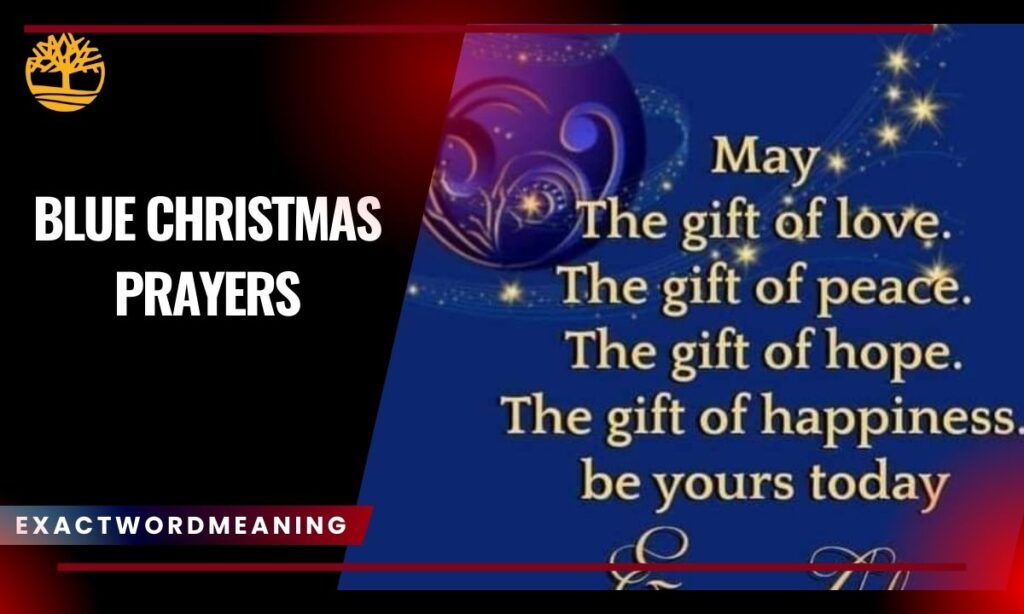
Opening Prayer
“Lord, you created us and know us.
You search our hearts and walk with us in light and dark.
Help us feel your presence in this life.
And carry us into your peace in the life to come.”
Prayer for Grief
“Loving God, hold us as we face sorrow.
Hear the quiet ache of our hearts.
Lift us when memories feel too heavy.
Walk with us through every shadow we face.”
Prayer for Comfort
“God of Mercy, remind us we are not alone.
Let your light slip gently into our darkness.
Steady our breathing when grief feels close.
Give our souls room to rest in you.”
Prayer for Hope
“Holy One, help us trust that dawn follows night.
Show us small signs of promise.
Let hope rise slowly but steadily.
Guide us toward peace with every new step.”
Scripture Reflections for Blue Christmas
Scripture gives words to emotions that people may struggle to express. The psalms especially offer honesty. They reveal sorrow, confusion, and longing for God. They also show how people through history have turned to God in troubled times.
These passages help shape the service with gentle truth. They remind us that faith includes moments of grief. Reading them in community helps people feel less alone. Together, the words form a path toward comfort.
Psalm 88
This psalm speaks from the depths of distress. The writer feels forgotten and overwhelmed. It does not rush toward resolution. Instead, it sits with real anguish.
Its honesty makes it powerful for Blue Christmas. It validates emotions many people feel. Even in darkness, calling to God matters. The psalm becomes a companion to those who struggle.
Psalm 130
This psalm begins in despair but slowly rises toward hope. “Out of the depths I cry to you” becomes its foundation. It teaches patience as the soul waits for God. The message of slow hope fits the season well.
Blue Christmas uses this psalm to remind people that healing happens over time. Light comes back little by little. The psalm helps people breathe more freely. Its rhythm offers strength.
Psalm 91
This psalm focuses on protection and refuge. It pictures God as a shelter in hard times. Its warmth comforts the weary. It promises care even in the longest night.
Churches often read it near the end of the service. It sends people out with a sense of safety. The psalm encourages courage for the days ahead. It closes the experience with peace.
How Communities Observe Blue Christmas
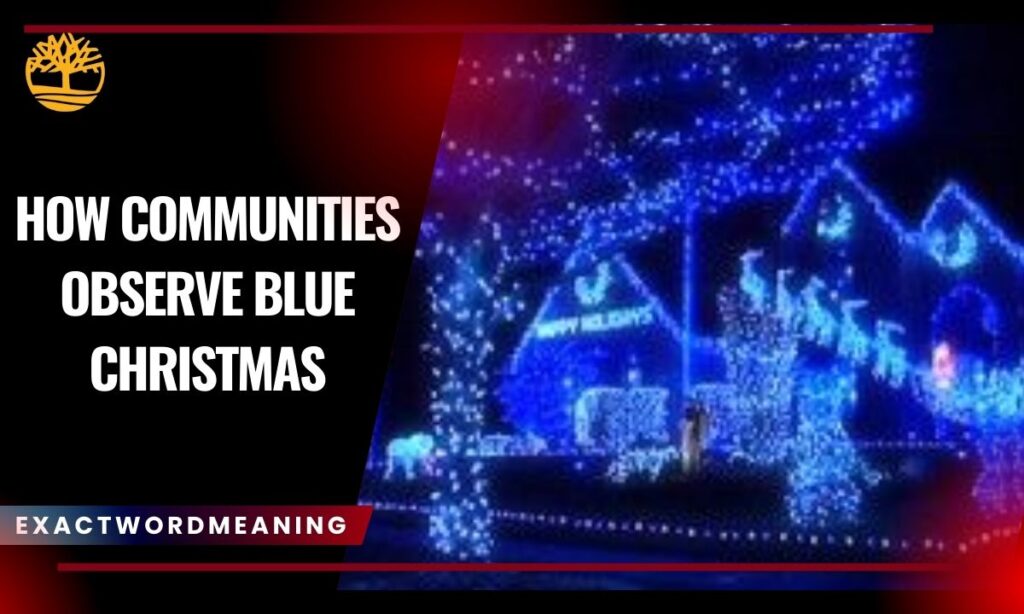
Different churches add their own touches, but the heart of the service remains similar everywhere. Most include quiet music, candle lighting, scripture, and prayers. Some invite people to write names of loved ones on cards. Others offer time for silent reflection.
The service often ends with a hymn sung softly in candlelight. This creates a warm, reflective close. People leave feeling calmer and more connected. The experience becomes a gentle shelter during the holiday season.
Symbolic Elements
Symbols make the service deeply meaningful. They give shape to emotions that can feel difficult to contain. Candles, empty chairs, and soft music create a safe emotional space. They help people remember they are held by community.
Some churches read poems such as Howard Thurman’s “I Will Light Candles This Christmas.” These readings offer grounding. They bring imagery that encourages hope. Symbol and scripture work together to support healing.
Community Support
Blue Christmas emphasizes the strength of shared experience. When people gather with others who understand sorrow, isolation fades. This sense of support helps hearts relax. Being seen and heard becomes a form of healing.
Many communities expand support with grief groups or counseling sessions. These programs extend comfort beyond one night. They help people continue their journey. They remind them that healing continues week by week.
Music, Rituals, and Symbolism in Blue Christmas
Music and ritual help shape the emotional experience of a Blue Christmas service. These elements give people nonverbal ways to express their feelings. The symbols speak quietly but deeply, bringing meaning to moments of reflection. They help individuals move from pain to peace through gentle transitions.
Hymns and Songs
Many services include traditional hymns that carry themes of winter, longing, and hope. In the Bleak Midwinter often reflects the mood of the season. Silent Night creates a peaceful close. The music supports the emotional tone. It encourages tears, reflection, and calm breaths. Listeners find comfort in familiar melodies. The hymns wrap the room in softness. They become part of the healing journey, guiding people toward stillness.
Candle Lighting Ritual
Candle lighting is one of the most meaningful parts of the service. Each flame represents a memory, a hope, or a prayer. The light symbolizes courage in the middle of sorrow. People watch as small flames push against darkness. The room slowly warms with gentle brightness. This ritual often feels sacred. It helps people release emotion and make space for peace. Many carry the image home in their hearts.
Use of Poetry and Reflection
Some services include poetry that speaks to grief and renewal. Howard Thurman’s I Will Light Candles This Christmas is a common choice. The poem connects darkness with purpose, sadness with hope, and silence with peace. Reflection or a short sermon then offers guidance for understanding grief within the holiday season. The message reassures listeners that sorrow is not a sign of weakness. Instead, it shows the depth of love. The reflection often encourages people to seek connection, prayer, and rest as they heal.
Frequently Asked Questions
What is the meaning of Blue Christmas?
It is a service that honors grief and offers comfort during the holiday season.
Why is it held near the winter solstice?
Because the longest night symbolizes emotional darkness and hope for returning light.
What happens during a Blue Christmas service?
People gather for quiet worship, candle lighting, scripture, and prayers.
Do you have to be Christian to attend?
No. Many services welcome all backgrounds and faith traditions.
What prayers are used?
Simple prayers of comfort, grief, and hope are usually shared.
Why are candles used?
Candles symbolize light overcoming darkness and the presence of hope.
Is music a required part of the service?
Music is common but not required; it simply helps create a reflective atmosphere.
Can families attend together?
Yes, families often attend and find shared comfort in the experience.
Are specific scriptures always used?
Not always, but psalms of lament and hope are most common.
Conclusion
Blue Christmas carries gentle meaning for those who face sorrow during a season of celebration. It offers a quiet pause in a busy time and creates space for honesty and reflection. The service brings comfort through scripture, prayer, and shared presence. It reminds us that even in long nights, light always returns.

Muhammad Shoaib is a seasoned content creator with 10 years of experience specializing in Meaning and Caption blogs. He is the driving force behind ExactWordMeaning.com, where he shares insightful, clear, and engaging explanations of words, phrases, and captions.