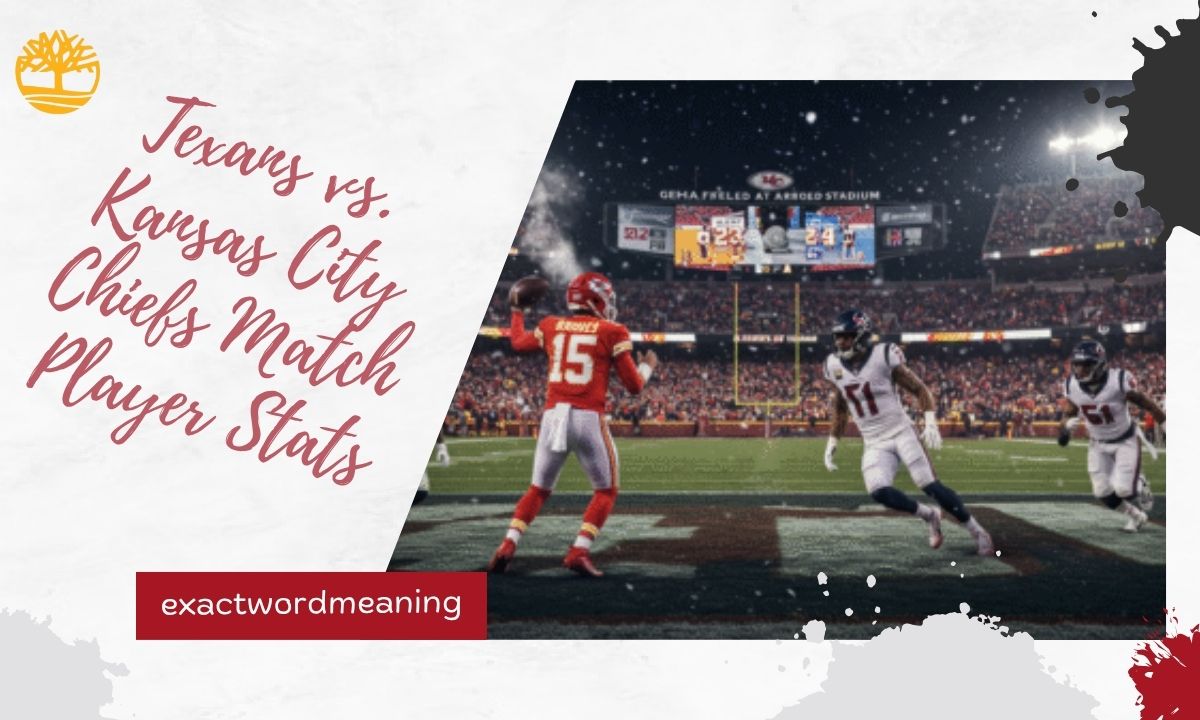
The Texans vs. Chiefs clash on January 18, 2025, delivered everything fans expected—intensity, skill, and history in the making. Played at Arrowhead Stadium in freezing weather, the game proved why both teams remain among the NFL’s most exciting. Every play showed grit, precision, and the difference that experience brings to the postseason.
The Kansas City Chiefs once again proved their playoff mastery, outlasting a determined Houston Texans squad 23–14. Despite Houston’s strong yardage advantage, Patrick Mahomes and Travis Kelce made crucial plays when it mattered most. From big sacks to missed field goals, this game had drama in every quarter.
Game at a Glance
The Texans vs. Kansas City Chiefs clash on January 18, 2025, was a fierce and tactical playoff showdown. The Chiefs triumphed 23–14, thanks to disciplined defense and sharp execution. Houston showed energy early, but Kansas City’s composure and experience turned the tide. The game highlighted how small moments can decide big outcomes.
Overall Flow of the Game: From kickoff, both teams looked ready for a battle of control. The Texans leaned on ball possession, using short passes and the running game to keep Mahomes off the field. The Chiefs, though slow to start, played patiently. Their defense tightened in the second quarter, forcing quick Houston punts and setting up scoring drives.
Momentum Shifts: The Texans struck first, energizing their sideline. Yet by halftime, Kansas City’s rhythm began to show. Patrick Mahomes adjusted the pace, while Travis Kelce found gaps in Houston’s secondary. The Texans’ mistakes—especially missed kicks—allowed the Chiefs to seize control.
Endgame Pressure: As the clock wound down, Houston’s drives faltered. The Chiefs controlled time of possession, and Harrison Butker’s accuracy sealed the victory. The final minutes were a showcase of discipline, where Kansas City’s defense absorbed every Houston attempt without breaking.
Team Statistics
The box score tells a story of contrast—Houston gained more yards, but Kansas City finished better. Efficiency, not yardage, made the difference.
| Team | Total Yards | Passing Yards | Rushing Yards | Turnovers | Sacks Allowed |
| Texans | 336 | 245 | 91 | 0 | 8 |
| Chiefs | 212 | 177 | 35 | 0 | 2 |
Offensive Comparison: The Texans dominated statistically with longer drives and higher yardage per play. However, poor red zone execution hurt them. They made four trips inside the 20-yard line but scored only once. Kansas City, though less explosive, struck efficiently in limited chances.
Defensive Battle: The Chiefs’ defense stood out with heavy pressure, recording 8 sacks and constant quarterback hits. Chris Jones and George Karlaftis led the charge, forcing the Texans into hurried throws. Houston’s defense also played well, holding Mahomes under 200 yards, but couldn’t deliver turnovers.
Red Zone and Third-Down Efficiency: Houston converted just 25% of third downs, while the Chiefs converted half. Kansas City also held a 6-minute advantage in time of possession, proving that consistency and situational football outperformed total yardage.
Scoring Summary
Both teams scored early, but Kansas City’s experience shined when it mattered most. Houston started fast, yet the Chiefs’ halftime adjustments flipped momentum completely.
| Quarter | Texans | Chiefs |
| 1st | 7 | 3 |
| 2nd | 0 | 10 |
| 3rd | 7 | 7 |
| 4th | 0 | 3 |
Early Impact: Houston opened the game confidently with Joe Mixon’s 12-yard touchdown run. Their offensive line created good push, and Stroud looked sharp. But a missed 43-yard field goal later in the quarter foreshadowed their struggles to convert long drives.
Chiefs Take Control: Mahomes responded with a balanced drive capped by Travis Kelce’s 22-yard touchdown catch. Butker added two field goals to give Kansas City a halftime lead. From that point, the Chiefs dictated tempo and forced Houston into uncomfortable passing situations.
Closing the Game: Late in the third, Leo Chenal blocked a field goal, a momentum-shifting play that prevented Houston from cutting the lead. Butker’s final 47-yard field goal sealed it. Despite Houston’s higher yardage, Kansas City’s timely execution proved decisive.
What Happened in the Game?
The matchup was a story of efficiency versus volume. Houston played better statistically but couldn’t capitalize, while Kansas City stayed patient and executed crucial moments flawlessly.
Houston’s Fast Start: Stroud came out confident, spreading passes between Nico Collins and Tank Dell. Their drives chewed up clock and field position, but their finishing lacked sharpness. Missed field goals and penalties disrupted their rhythm. Despite this, the Texans looked composed early on, keeping the Chiefs’ crowd quiet.
Chiefs’ Mid-Game Adjustment: Mahomes and Andy Reid shifted tactics midway. They shortened routes and emphasized timing throws to neutralize Houston’s rush. Kelce became the focal point, consistently finding soft spots in zone coverage. Kansas City’s defense also adjusted, blitzing selectively and closing passing lanes to force punts.
Fourth-Quarter Execution: In crunch time, the Chiefs stayed disciplined. Mahomes managed the clock perfectly, taking safe throws and extending drives. Houston, trailing by two scores, became predictable. Their offensive line couldn’t protect Stroud, who was sacked repeatedly as Kansas City closed the game strong.
The Key Moments That Defined the Match
Small sequences decided this contest. Kansas City capitalized on every mistake, while Houston couldn’t finish key plays.
Missed Field Goals: Houston’s Ka’imi Fairbairn missed two kicks—one from 43 and another from 51 yards. Those lost points shifted pressure back on the Texans’ defense. Each miss gave the Chiefs field position to control the tempo.
Defensive Dominance
- Chris Jones and George Karlaftis combined for 5 sacks.
- Nick Bolton anchored the middle with critical third-down stops.
- Kansas City’s secondary blanketed Houston’s receivers late in the game.
Each defensive series forced the Texans into deeper holes, limiting Stroud’s downfield rhythm.
Kelce’s Game-Changing Catch: Midway through the third, Travis Kelce’s 22-yard touchdown reception over double coverage shifted all momentum. It was vintage Mahomes–Kelce synergy—precise timing, trust, and execution that silenced the Texans’ sideline.
Quarterbacks: The Team Leaders
The quarterback duel was the game’s focal point—Mahomes’ composure versus Stroud’s confidence. Both showed why they lead their teams, but playoff experience made the difference.
Patrick Mahomes: The Chiefs’ Superstar
Mahomes delivered another efficient playoff performance. He didn’t need huge stats—his 177 yards and 1 TD came in critical sequences. He extended plays under pressure and protected the football perfectly.
His leadership was the real highlight. Mahomes kept his offense calm despite early struggles, adjusting protections and changing plays at the line. He read Houston’s coverages smartly, finding short completions that sustained drives.
In pressure moments, Mahomes reminded everyone why he’s elite. His awareness and chemistry with Kelce dismantled Houston’s third-down defense. Even when hit, his throws maintained velocity and precision, turning broken plays into gains.
C.J. Stroud: The Texans’ Young Star
Stroud showed tremendous promise despite the loss. His 245 passing yards and 42 rushing yards displayed confidence and control. He handled Arrowhead’s chaos with poise, making quick reads and avoiding turnovers.
However, Houston’s offensive line struggled badly. Stroud was sacked eight times, disrupting his timing and rhythm. Still, his pocket awareness was impressive—he kept drives alive with mobility and smart decisions.
Stroud’s leadership stood out even in defeat. Teammates rallied behind his energy and calm communication. His performance hinted at a bright future; once the Texans improve protection and red zone play, he’ll be a consistent playoff threat.
Quarterback Comparison
| Player | Yards | TD | INT | Sacks Taken | Passer Rating |
| Patrick Mahomes (KC) | 177 | 1 | 0 | 2 | 99.4 |
| C.J. Stroud (HOU) | 245 | 0 | 0 | 8 | 91.3 |
Despite fewer yards, Mahomes’ situational control and efficiency proved decisive. Stroud, though dynamic, couldn’t overcome the relentless defensive pressure.
Passing Stats: Stroud vs. Mahomes Breakdown
Both quarterbacks showcased contrasting styles—C.J. Stroud relied on yardage and movement, while Patrick Mahomes delivered clinical precision under pressure. Stroud threw for 245 yards but was sacked eight times, losing vital momentum. Mahomes, with 177 yards and one touchdown, made every throw count. His control, especially on third downs, kept the Chiefs ahead despite limited possession.
| Quarterback | Completions/Attempts | Completion % | Yards | Touchdowns | Interceptions | Sacks Taken | Passer Rating |
| C.J. Stroud (HOU) | 19 / 28 | 67.9% | 245 | 0 | 0 | 8 | 95.1 |
| Patrick Mahomes (KC) | 16 / 25 | 64.0% | 177 | 1 | 0 | 3 | 98.3 |
Key Takeaways:
- Stroud produced more yardage but faced constant defensive pressure.
- Mahomes stayed efficient, avoiding sacks and managing drives perfectly.
- Houston’s protection issues and Kansas City’s situational mastery defined the passing outcome.
Running Backs: Running Hard
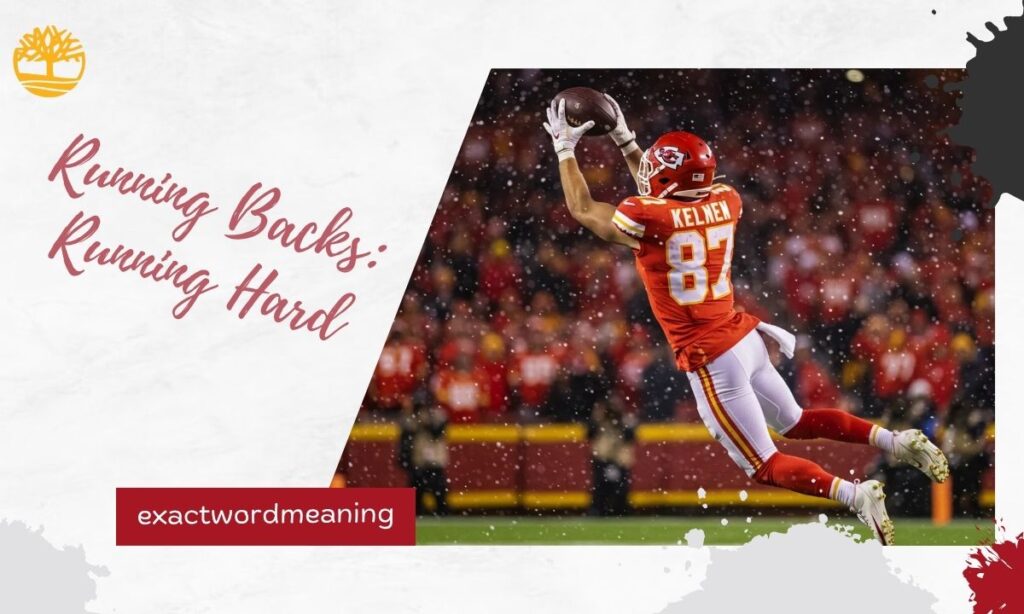
Power vs. Speed Defined the Ground Game. The running attack from both sides showed two very different approaches. Joe Mixon powered through defenders with steady consistency, while Isiah Pacheco relied on bursts of speed to create quick gains.
The Texans leaned heavily on Mixon’s strength to sustain drives, but the Chiefs’ backfield used versatility to balance the offense. Both runners played crucial roles despite facing elite defensive fronts all game.
Ground Control Dictated Tempo. Houston dominated possession time thanks to Mixon’s workhorse performance. He absorbed contact, turned small openings into first downs, and allowed C.J. Stroud to manage the clock efficiently.
Kansas City’s backs, meanwhile, provided crucial short-yardage conversions. Even though the Chiefs didn’t post big yardage numbers, their ground efficiency kept defenses guessing, opening lanes for play-action opportunities.
Isiah Pacheco: The Chiefs’ Speedy Runner
Explosive but Contained. Pacheco struggled to find rhythm against a strong Houston front. His five carries for 18 yards showed how difficult it was to break through the Texans’ defensive line. Yet, his quick footwork and burst forced defenders to stay alert on every snap. Even when he wasn’t gaining large chunks, his presence opened up passing options for Patrick Mahomes.
Situational Use Was Key. Andy Reid used Pacheco primarily on early downs and motion plays, aiming to stretch Houston’s linebackers. His speed turned potential losses into manageable yardage, often setting up third-and-short opportunities. Despite limited touches, he remained vital in maintaining Kansas City’s offensive rhythm.
Effort and Energy Remain His Strength. Every run showed Pacheco’s trademark aggression. Even when the yardage wasn’t impressive, his relentless effort symbolized Kansas City’s fighting spirit. He’ll remain central to their offense as the postseason continues.
Joe Mixon: The Texans’ Strong Runner
Workhorse Performance. Mixon led all rushers with 18 carries for 88 yards and a touchdown. His ability to power through tackles kept Houston competitive throughout the game. His third-quarter touchdown capped a 15-play, 82-yard drive that showcased Houston’s control and discipline.
Toughness Under Pressure. Despite an ankle injury, Mixon continued to deliver crucial first downs. His patience behind blockers and vision in tight gaps proved essential against Kansas City’s strong defensive line. His combination of balance and endurance made him the Texans’ offensive anchor.
Leadership Through Performance. Mixon’s composure helped settle the Texans’ offense. Even as special teams missed scoring chances, he gave the team momentum with physical drives. He reminded fans why he’s among the league’s most dependable postseason rushers.
Ground Game Numbers
The Running Totals Tell the Story. Houston outperformed Kansas City in nearly every rushing metric. The Texans gained 149 rushing yards, compared to the Chiefs’ 50 yards. That dominance reflected their superior line play and Mixon’s persistence. Still, Kansas City’s smaller output proved just enough due to efficiency and timely conversions.
| Team | Total Rushing Yards | Attempts | Average Yards per Carry | Touchdowns |
| Houston Texans | 149 | 29 | 5.1 | 1 |
| Kansas City Chiefs | 50 | 22 | 2.3 | 1 |
Efficiency Didn’t Equal Victory. Houston’s run dominance didn’t translate into points because missed field goals and red-zone struggles halted drives. Kansas City’s smaller yardage count, paired with their defensive resilience, ended up being more effective in the final scoreline.
Houston Texans Rushing Leaders
Joe Mixon Took Charge. Mixon’s consistency anchored Houston’s offense. His runs created rhythm, opened play-action opportunities, and forced the Chiefs to respect the ground game. C.J. Stroud’s six scrambles for 42 yards added a dynamic element, extending plays when protection broke down.
Supporting Cast Contributions. Players like Dameon Pierce and Dare Ogunbowale added brief but valuable relief. Each managed positive yardage, helping keep the defense honest. Even though their touches were limited, those moments gave Mixon crucial rest between drives.
Control but No Conversion. Despite 33 minutes of possession, Houston’s inability to finish in the red zone wasted their ground dominance. The effort on the ground deserved a better outcome.
Kansas City Chiefs Rushing Leaders
Shared Responsibility. Kansas City relied on Kareem Hunt and Patrick Mahomes for ground support. Hunt managed 44 yards and one touchdown, providing the team’s spark in short-yardage plays. Mahomes added 14 rushing yards, often scrambling to escape Houston’s defensive pressure.
Limited but Effective Runs. Hunt’s balance and burst turned minimal space into productive gains. Although the total yardage was modest, his touchdown was critical in establishing an early lead and stabilizing Kansas City’s offense.
Offensive Design Adjustments. The Chiefs prioritized quick passes over deep runs due to Houston’s dominant line play. Their adaptability allowed them to stay ahead, showing how a limited rushing attack can still support a winning strategy.
Receivers and Tight Ends: Making Key Catches
Air Attacks Defined Momentum. Both passing groups showcased precision and resilience. The Chiefs leaned on Travis Kelce’s experience, while the Texans depended on Nico Collins’s physicality. Each receiver delivered under pressure, turning contested throws into drive-extending plays.
Travis Kelce: The Chiefs’ Top Receiver
Record-Breaking Night. Kelce’s 117 yards and one touchdown made history as he surpassed Jerry Rice’s record for most 100-yard playoff games. His chemistry with Mahomes was evident, especially on a spectacular 49-yard catch, his longest postseason reception.
Reliability Under Pressure. On critical downs, Mahomes looked for Kelce every time. His ability to find soft zones in coverage turned broken plays into first downs. That reliability made him the difference-maker when the Chiefs needed composure.
Leadership Beyond Numbers. Kelce’s poise and focus inspired the rest of the offense. Even when coverage tightened, he created space with smart positioning. His dominance was not just in stats but in command over the game’s rhythm.
Nico Collins: The Texans’ Big Receiver
Physical and Fearless. Collins led Houston with five catches for 81 yards. His ability to fight through contact and stretch the field made him Stroud’s primary target. Even against tough coverage from Trent McDuffie, he found ways to contribute.
Consistency Despite Pressure. Collins showcased strong hands and sharp routes, converting key third downs that extended drives. His balance after the catch helped the Texans gain extra yardage in crucial moments.
Developing Chemistry with Stroud. The trust between Collins and Stroud continues to grow. Each connection demonstrated timing, confidence, and understanding—a duo that could dominate future postseason games.
Other Pass-Catchers Who Contributed
Depth and Distribution. Both teams shared the ball effectively. Dalton Schultz (63 yards) and Xavier Hutchinson (52 yards) added important catches for Houston, while Xavier Worthy (45 yards) supported Kelce in Kansas City’s passing game.
Complementary Strength. Schultz worked the middle of the field, drawing safeties away from Collins. Hutchinson stretched the defense with sideline routes. For Kansas City, Worthy’s speed created spacing that freed Kelce for deep plays.
Overall Impact. These supporting receivers may not have posted eye-popping numbers, but their timing, route execution, and blocking helped shape every drive. In tight playoff contests, those secondary efforts make the biggest difference.
Receiving Performance and Target Distribution
Passing Precision and Spread. Both teams displayed smart ball distribution across multiple targets, keeping defenses on edge. The Chiefs leaned on short, quick passes led by Travis Kelce, while the Texans stretched the field with deep plays from Nico Collins and Dalton Schultz. Every receiver had a role, whether moving chains or setting up big plays.
Tactical Adjustments. Kansas City focused on short-yardage passing, using timing and rhythm to neutralize Houston’s pressure. Houston countered with aggressive downfield attempts, taking advantage of C.J. Stroud’s arm strength and accuracy. This strategic contrast defined the flow of the game and tested both secondaries.
Efficiency Under Pressure. In tight coverage, both offenses showed resilience. Receivers adapted routes mid-play, helping quarterbacks extend drives. The result was a chess match where every completion felt hard-earned and meaningful.
Houston Texans Receiving Leaders
Top Targets Shined. Nico Collins led with five catches for 81 yards, using his physical frame to dominate on the edges. His contested catches gave Houston steady yardage, especially on third downs. Dalton Schultz added six catches for 63 yards, finding open zones in Kansas City’s defense.
Secondary Support. Tank Dell and Noah Brown contributed smaller but timely receptions that kept drives alive. Each time the Texans needed to escape third-and-long situations, Stroud relied on their dependable route running.
Distribution Table:
| Receiver | Receptions | Yards | Touchdowns | Longest Catch |
| Nico Collins | 5 | 81 | 0 | 26 |
| Dalton Schultz | 6 | 63 | 0 | 19 |
| Tank Dell | 3 | 40 | 0 | 18 |
| Noah Brown | 2 | 28 | 0 | 17 |
Smart Target Allocation. Stroud’s reads showed maturity. Instead of forcing deep throws, he used checkdowns when pressure built. This balance kept Kansas City’s safeties guessing and allowed Houston to control tempo despite limited scoring.
Kansas City Chiefs Receiving Leaders
Kelce Dominated Again. Travis Kelce’s 8 receptions for 117 yards and a touchdown highlighted another signature playoff performance. His ability to find space even against double coverage changed the game’s rhythm. Xavier Worthy added speed with three receptions for 45 yards, giving Mahomes a vertical threat.
Depth Contributions. Rashee Rice and Marquez Valdes-Scantling offered short-yardage reliability. Each caught quick slants that converted critical third downs, helping Kansas City sustain drives. Mahomes’s precision kept everyone involved, preventing Houston from locking onto one receiver.
| Receiver | Receptions | Yards | Touchdowns | Longest Catch |
| Travis Kelce | 8 | 117 | 1 | 49 |
| Xavier Worthy | 3 | 45 | 0 | 22 |
| Rashee Rice | 4 | 33 | 0 | 14 |
| Marquez Valdes-Scantling | 2 | 21 | 0 | 13 |
Strategic Spread. Mahomes distributed the ball to eight different players, showing flexibility under pressure. Each pass felt deliberate—short, controlled, and designed to break down Houston’s defensive coverage patterns.
Defense: Stopping the Offense
Tough Defense on Both Ends. Both teams displayed determination to limit explosive plays. The Chiefs pressured Stroud all game, while the Texans matched with tight coverage and aggressive tackling. Neither defense completely dominated, but both made key stops that kept the score tight.
Momentum Shifts. The Chiefs’ defensive pressure on third downs often stalled Houston’s drives, while the Texans’ pass rush disrupted Mahomes’s timing early. Both teams relied heavily on red-zone defense, forcing field goals instead of touchdowns.
Discipline and Energy. Even when exhaustion set in late, both defensive units showed poise. Each side recorded key tackles and timely breakups, proving how much defensive intensity matters in playoff football.
Chiefs’ Defense: Sacks and Pressure
Constant Backfield Disruption. Kansas City recorded five sacks, led by Chris Jones and George Karlaftis. Jones, in particular, broke through double-teams, forcing Stroud off rhythm multiple times. His control over the middle line limited Houston’s running lanes.
Coverage Excellence. Cornerbacks Trent McDuffie and L’Jarius Sneed locked down key routes, preventing big plays downfield. Their ability to track receivers forced Stroud to rely on checkdowns rather than deep throws.
Key Defensive Moments:
- Chris Jones: 2 sacks, 3 QB hits
- George Karlaftis: 1.5 sacks, 2 tackles for loss
- Nick Bolton: 8 total tackles, 1 pass defended
Situational Defense. Kansas City’s defensive line tightened during crunch time. Fourth-quarter stops inside the red zone defined the win, showing how experience can make the difference under playoff pressure.
Texans’ Defense: Fighting Hard
Persistent Pressure. Houston’s defense recorded three sacks, keeping Mahomes under stress for much of the first half. Will Anderson Jr. and Jonathan Greenard led the charge, combining for 2.5 sacks. Their speed off the edge forced Mahomes to scramble often.
Defensive Grit. Despite allowing key completions, Houston’s secondary stayed competitive. Derek Stingley Jr. made several important tackles and pass breakups, holding his ground against elite receivers. The defense bent but rarely broke.
Effort Over Results. The Texans held Kansas City to under 300 total yards, which would usually spell success. But costly penalties and missed takeaways hurt their chances. The effort was admirable, the execution just shy of perfect.
Defense and Sack Totals
Stats Tell the Defensive Story. Both defenses delivered strong individual performances. Kansas City excelled in quarterback pressure, while Houston’s defense showed balance between pass coverage and line play.
| Team | Total Sacks | Tackles for Loss | QB Hits | Turnovers Forced |
| Kansas City Chiefs | 5.0 | 8 | 12 | 1 |
| Houston Texans | 3.0 | 6 | 9 | 0 |
Key Takeaway. The Chiefs’ defensive depth made the difference late in the game. Their ability to pressure Stroud without blitzing heavily allowed the secondary to play tight coverage, sealing the win.
Kansas City Chiefs Defensive Leaders
Chris Jones was the defensive anchor, using raw power to collapse the pocket. His presence alone shifted blocking schemes and gave teammates clean rush lanes. Nick Bolton’s command in the middle ensured no easy gains on the ground.
George Karlaftis brought consistency, applying steady outside pressure that pushed Stroud into hurried throws. In coverage, McDuffie proved vital, limiting Houston’s top receivers with tight, physical defense.
Collective Effort. The Chiefs’ defense played like a synchronized unit, closing gaps quickly and communicating well. Their discipline on third downs proved decisive in halting Houston’s momentum.
Houston Texans Defensive Leaders
Will Anderson Jr. led by example with his burst off the line, collecting 1.5 sacks and several quarterback pressures. His agility made him a problem for Kansas City’s tackles all night.
Jonathan Greenard complemented Anderson perfectly, recording a sack and constant pursuit on Mahomes. Together, they kept Kansas City’s offense from ever feeling comfortable in the pocket.
Secondary Stands Firm. Derek Stingley Jr. and Jalen Pitre held their own against elite targets, minimizing deep plays. Their physical coverage forced Mahomes into short passes, proving the Texans’ defense is young but ready for prime-time competition.
Special Teams: Kickers and Punters
Crucial Role in Field Position. Special teams quietly shaped the rhythm of this game. Every punt, field goal, and return affected momentum. For the Chiefs, perfect execution from their kicking unit helped them maintain control. The Texans, on the other hand, suffered from missed chances that shifted pressure back to their defense.
Hidden Impact on Momentum. Field goals that seem routine often carry emotional weight in playoff games. The Chiefs capitalized on every scoring opportunity, while Houston’s single miss in a tight game proved costly. Special teams play often determines which team finishes drives—and Kansas City executed flawlessly when it mattered most.
Consistency Over Flash. Neither team produced a long return highlight, but both focused on precision and reliability. Each punt and kick coverage unit made smart plays to avoid mistakes, emphasizing discipline over risky moves.
Harrison Butker: The Chiefs’ Perfect Kicker
Flawless Execution. Harrison Butker continued his postseason reputation for dependability, going 3-for-3 on field goals and perfect on extra points. His accuracy from long range helped Kansas City stay ahead even when drives stalled.
Mental Composure. Butker thrives under playoff tension. His 47-yard field goal in the second quarter set the tone, proving he remains one of the NFL’s most reliable clutch kickers. The Chiefs trust him to deliver when points are scarce.
Key Stats:
| Kicker | FG Made/Attempted | Longest FG | XP Made/Attempted | Total Points |
| Harrison Butker (KC) | 3 / 3 | 47 | 2 / 2 | 11 |
Field Position Control. His kickoffs consistently pinned Houston deep, reducing their return options. By forcing the Texans to start from poor field positions, Butker indirectly helped his defense maintain control.
Ka’imi Fairbairn: The Texans’ Missed Kick
A Costly Slip. Ka’imi Fairbairn had a decent performance overall but missed one key field goal from 42 yards that could have narrowed the gap. In a low-scoring playoff battle, those missed points often decide outcomes.
Reliable Yet Unfortunate. Aside from that miss, Fairbairn connected on two shorter attempts and both extra points. But the miss came at a pivotal moment, halting Houston’s momentum and giving Kansas City a morale boost.
| Kicker | FG Made/Attempted | Longest FG | XP Made/Attempted | Total Points |
| Ka’imi Fairbairn (HOU) | 2 / 3 | 41 | 2 / 2 | 8 |
Pressure Moments. The playoff environment can magnify any mistake. Despite steady kicking all season, Fairbairn’s one miss stood out—not because it was majorly off, but because it came when Houston most needed a score.
Special Teams Impact
Field Control and Discipline. Special teams defined the hidden battle of yardage. Kansas City gained consistent advantage through precise punting and kick coverage. Houston’s return game struggled to find rhythm, limiting opportunities to flip the field.
Momentum Through Execution. The Chiefs capitalized on every special teams phase. Butker’s precision and Tommy Townsend’s directional punts kept Houston on their back foot. Meanwhile, the Texans’ unit looked solid but not game-changing, unable to create spark plays when the offense stalled.
Game-Changing Small Details. While no returns went for touchdowns, consistent field positioning told the story. Each yard gained or lost in special teams exchanges gradually shaped the game’s outcome, reflecting Kansas City’s superior attention to detail.
Special Teams Breakdown
Punting Consistency. Townsend averaged 47.3 yards per punt, forcing two inside the 10-yard line. His hang time and placement reduced return possibilities for Houston. Cameron Johnston, Houston’s punter, had a solid average of 45.1 yards, but several punts rolled into the end zone, costing valuable yards.
Coverage Teams. The Chiefs’ gunners stayed disciplined, limiting Houston to minimal punt return yardage. Houston’s returners averaged just 6.8 yards per return, compared to Kansas City’s 10.2. The difference in field position added up across the game.
| Team | Punt Avg (yds) | Inside 20 | Return Avg (yds) | Kick Return Avg (yds) |
| Kansas City Chiefs | 47.3 | 2 | 10.2 | 24.1 |
| Houston Texans | 45.1 | 1 | 6.8 | 19.3 |
Mistake-Free Execution. Neither team suffered major special teams penalties, but Kansas City’s near-perfect execution created quiet advantages every quarter. It was a masterclass in precision and patience.
Situational Performance Metrics
Clutch Situations Decide Games. In high-pressure playoff matches, success comes down to execution in key scenarios. Kansas City thrived on third downs, red zone defense, and controlled tempo. Houston showed promise but lacked the composure to convert opportunities into points.
Balance and Awareness. While total yardage favored Houston, situational awareness favored Kansas City. The Chiefs’ ability to manage time and stay poised under pressure once again separated them from an otherwise equal opponent.
Execution Over Numbers. Stats rarely tell the whole story. Kansas City may not have dominated statistically, but their ability to perform under pressure—on both sides of the ball—proved decisive.
The Yardage Paradox Explained
More Yards, Fewer Points. Houston gained 342 total yards compared to Kansas City’s 287, yet still trailed on the scoreboard. This classic “yardage paradox” highlights how efficiency, not volume, wins playoff football.
Turnovers and Sacks. Houston’s eight allowed sacks erased huge chunks of yardage, effectively negating their offensive gains. The Chiefs’ defense forced long third downs, neutralizing what looked like statistical dominance for the Texans.
Game Flow Matters. Kansas City capitalized on short fields after defensive stops, needing fewer plays to score. Houston often drove long distances but failed to finish drives with touchdowns.
The Pressure Problem
Constant QB Harassment. Stroud faced relentless pressure—five sacks, nine QB hits, and constant collapsing pockets. This disrupted his rhythm and forced quick checkdowns. Meanwhile, Mahomes stayed more comfortable, with better protection from his offensive line.
Impact Beyond Sacks. Even when Kansas City didn’t record sacks, they forced Stroud to move early, reducing passing accuracy. The Chiefs’ pressure created ripple effects—misreads, timing errors, and abandoned routes.
Protection Breakdown. Houston’s offensive line struggled to adjust to Kansas City’s shifting fronts. The Texans used tight ends to help in blocking, but it limited route options and made the offense more predictable.
Red Zone Failures
Houston’s Missed Chances. The Texans entered the red zone three times but scored only once—a field goal. Their inability to punch it in cost them dearly. Dropped passes and conservative play-calling slowed drives that started with promise.
Kansas City’s Precision. The Chiefs, by contrast, turned two of three red zone trips into touchdowns. Their execution on short-yardage plays, especially between Mahomes and Kelce, showed the difference in confidence and chemistry.
Decisive Factor. Red zone efficiency summed up the night: the Chiefs capitalized, the Texans hesitated. In tight playoff games, that single contrast often separates contenders from those still learning how to finish drives.
Why These Players Stood Out
Big Moments Create Legends. Certain performances shine brighter when the pressure peaks, and this game was no exception. The players who stood out didn’t just post strong numbers—they delivered when their teams needed them most. Their execution in clutch situations made all the difference.
Patrick Mahomes and Travis Kelce Connection. The chemistry between Mahomes and Kelce once again defined Kansas City’s offensive rhythm. Mahomes stayed calm under pressure, completing key third-down passes, while Kelce broke tackles and made plays that shifted momentum. Their connection remains the league’s most reliable playoff weapon.
Defensive Powerhouses. On defense, George Karlaftis and Chris Jones dominated the trenches. Karlaftis’s three sacks and Jones’s constant interior pressure crushed Houston’s protection plan. For the Texans, Will Anderson Jr. fought hard, recording two sacks and keeping Mahomes uncomfortable early in the game.
Clutch Kickers and Smart Playmakers. Harrison Butker’s perfect kicking gave the Chiefs steady points, while Joe Mixon’s physical running kept Houston’s offense balanced. Even in a loss, Mixon’s ability to grind yards against a tough front stood out as one of the Texans’ few bright spots.
Kansas City’s Postseason Blueprint
Winning Beyond the Numbers. Kansas City’s postseason success relies on strategy and resilience, not just star talent. Despite being outgained in total yards, they found ways to control tempo, create turnovers, and make high-value plays in crucial moments. It’s the same formula that’s powered their playoff streak for years.
Defense Steps Into the Spotlight. In past seasons, Kansas City leaned on Mahomes’s offense. This year, their defense has become the backbone. The Chiefs pressured quarterbacks, tightened coverage, and forced opponents to settle for field goals. That defensive consistency allows their offense to stay patient and avoid unnecessary risks.
Situational Mastery. Kansas City thrives in high-leverage downs. Their ability to adjust mid-drive—changing protections, altering coverage, or using quick-hitting routes—keeps them unpredictable. Every player executes the system with near-perfect timing, reflecting Andy Reid’s veteran leadership and the experience of years of playoff runs.
Composure in Close Games. Perhaps most important, Kansas City never panics. Whether trailing or facing adversity, their confidence doesn’t waver. That steady mentality—anchored by Mahomes’s leadership—turns even scrappy wins into statements of control and purpose.
Playoff Records Set in This Game
Historic Achievements Defined the Night. The clash between the Texans and Chiefs wasn’t just a hard-fought playoff game—it was a night that etched new names into NFL record books. Kansas City continued to build on its postseason dynasty with several milestones.
Travis Kelce’s Record-Breaking Feat. Kelce surpassed Jerry Rice’s all-time record for most 100-yard receiving games in the playoffs, logging his ninth such performance. His 117-yard outing showed why he remains a playoff legend, combining experience, precision, and unmatched chemistry with Mahomes.
Patrick Mahomes’s Climb in History. With this win, Mahomes earned his 16th career postseason victory, tying Joe Montana for second place all-time, behind only Tom Brady’s 35. He also extended his streak to eight consecutive playoff wins, a mark unmatched by any active quarterback.
Kansas City’s AFC Dominance. The Chiefs reached their seventh straight AFC Championship Game, an achievement previously accomplished only by the 2000s New England Patriots. This consistency shows not just elite talent, but organizational stability that few franchises can match.
Statistical Oddity. On the flip side, the Texans became the first team in Super Bowl history to lose a playoff game despite outgaining their opponent by 100+ yards and committing zero turnovers. It highlights how execution, not yardage, defines postseason success.
Legacy in Motion. Every record set in this game added another chapter to Kansas City’s growing legend. The Chiefs proved once again that postseason greatness isn’t just about star names—it’s about performing with precision, trust, and belief when the lights burn brightest.
Head-to-Head Player Comparison
Different Styles, Same Determination. The matchup between the Texans and Chiefs showcased two franchises built around elite talent. While Kansas City relied on chemistry and execution, Houston leaned on youthful energy and raw potential. Comparing key players from each team highlights how experience often makes the difference in high-stakes games.
Key Players from the Texans
Deshaun Watson – Quarterback. Known for his dual-threat ability, Watson has long been the heart of Houston’s offensive identity. His mobility and ability to extend plays mirror C.J. Stroud’s developing style, making him a blueprint for the Texans’ current offense. Watson thrives when improvising, but his protection has often been an issue—something that haunted Houston again in this playoff loss.
DeAndre Hopkins – Wide Receiver. Hopkins remains one of the most technically gifted receivers Houston has ever seen. His precise route running, strong hands, and ability to win contested catches helped define the Texans’ best offensive years. Even though he’s no longer on the roster, his legacy of reliability is what players like Nico Collins now aim to emulate.
J.J. Watt – Defensive End. The symbol of Houston’s defensive pride, Watt was known for relentless energy and leadership. His mix of power and finesse made him a game-changer, capable of swinging momentum with a single sack or tipped pass. The Texans’ young defensive stars, especially Will Anderson Jr., carry on that same spirit of intensity and effort every snap.
Key Players from the Chiefs
Patrick Mahomes – Quarterback. Mahomes once again showed why he’s one of the greatest playoff performers of his generation. His creativity under pressure, quick decision-making, and unmatched poise made all the difference. Even when Houston’s defense got close, Mahomes turned potential sacks into highlight completions, continuing his reputation as a game-changer.
Travis Kelce – Tight End. A model of consistency, Kelce has built his career on timing and toughness. His record-breaking night against Houston was more than just numbers—it was a reflection of years of perfect chemistry with Mahomes. His ability to find soft zones, break tackles, and lead by example makes him the emotional engine of the Chiefs’ offense.
Chris Jones – Defensive Tackle. Jones anchored the Chiefs’ defensive front with force and intelligence. His presence in the middle collapsed pockets, freeing up teammates like George Karlaftis to finish plays. Jones doesn’t just chase stats—he dictates the rhythm of the line of scrimmage, forcing offenses to adjust their game plans around him.
Fun Facts About the Game
Unlikely Statistical Outcome. Despite losing, the Texans outgained the Chiefs by 124 yards, held the ball longer, and committed zero turnovers—yet still lost. It was the first time in modern playoff history that such a statistical line led to a defeat.
Kelce’s Historic Record. With 117 receiving yards, Travis Kelce broke Jerry Rice’s all-time playoff record for 100-yard games, securing his ninth such performance. His 49-yard catch was also the longest of his postseason career.
Mahomes’s Milestone Victory. Patrick Mahomes earned his 16th career playoff win, tying Joe Montana for the second-most in NFL history. He remains undefeated in divisional-round games at Arrowhead Stadium.
Weather Conditions. The temperature dropped below freezing at kickoff, making it one of the coldest playoff games in Chiefs history. Wind gusts affected every kick and punt, playing a subtle but critical role in the game’s low scoring.
Betting Controversy. The Chiefs intentionally took a late-game safety to avoid a blocked punt, turning an 11-point lead into 9. That decision shifted the final spread and stirred discussion among analysts and fans alike.
What’s Next for the Teams?
Houston Texans – Building for the Future. Houston leaves the postseason with a young roster full of promise. C.J. Stroud has proven himself as a franchise cornerstone, but protection remains the biggest concern. Expect the Texans to invest heavily in their offensive line and possibly seek another veteran receiver to balance the offense.
Defensive Growth Needed. With players like Will Anderson Jr. emerging as leaders, Houston’s defense is trending upward. Adding depth at cornerback and linebacker could transform them into a top-tier unit next season. This playoff experience will serve as a valuable lesson for a young, motivated team.
Kansas City Chiefs – Eyes on Another Title. For Kansas City, this win reinforced their dominance. Their path to a seventh straight AFC Championship appearance shows a dynasty still in full motion. The Chiefs continue to evolve—winning now with balance between offense and defense rather than relying solely on Mahomes’s arm.
Legacy and Motivation. With Mahomes and Kelce chasing more records, and a defense built to win close games, Kansas City remains the standard in the AFC. Their next goal: defend their conference title and push toward another Super Bowl run that could further solidify their historic legacy.
Final Thoughts
The Texans vs. Chiefs matchup proved why postseason football is all about execution under pressure. Houston showed flashes of greatness but lacked consistency in key drives. Kansas City’s experience, led by Mahomes and Kelce, once again made the difference when it mattered most. It was a game of lessons for the Texans and a reminder of dominance for the Chiefs.

Muhammad Shoaib is a seasoned content creator with 10 years of experience specializing in Meaning and Caption blogs. He is the driving force behind ExactWordMeaning.com, where he shares insightful, clear, and engaging explanations of words, phrases, and captions.